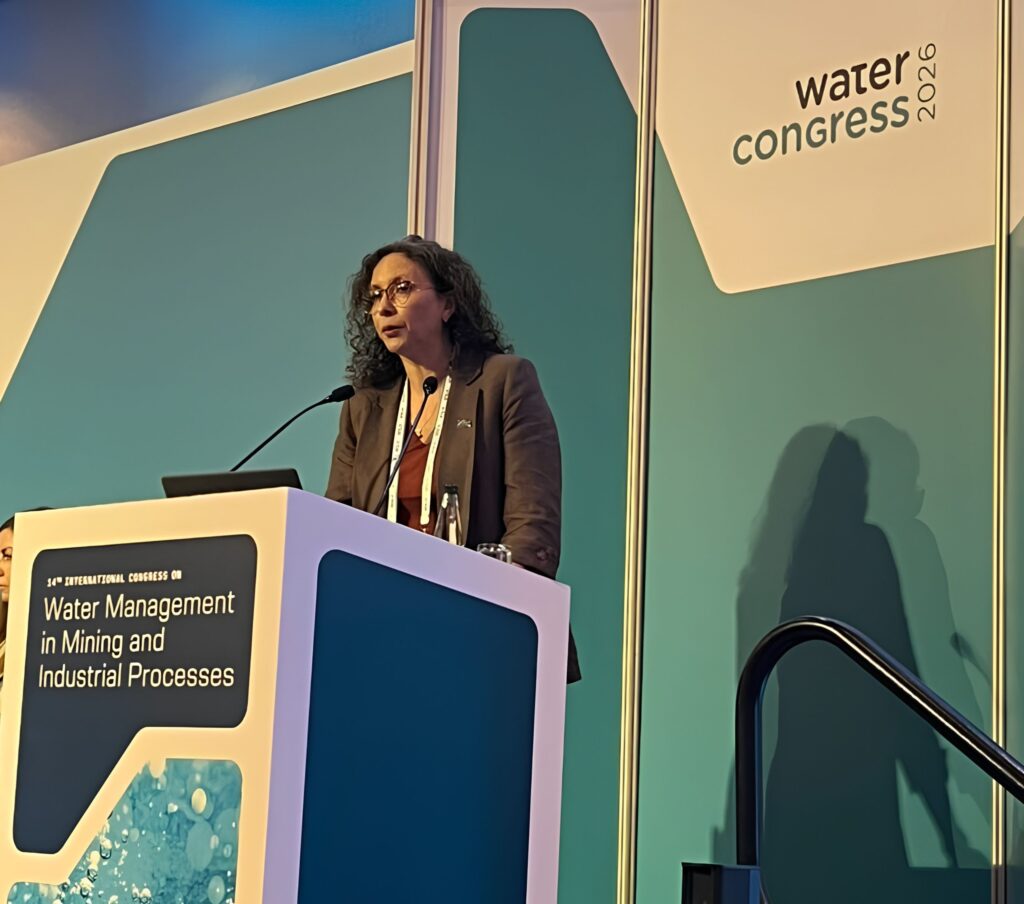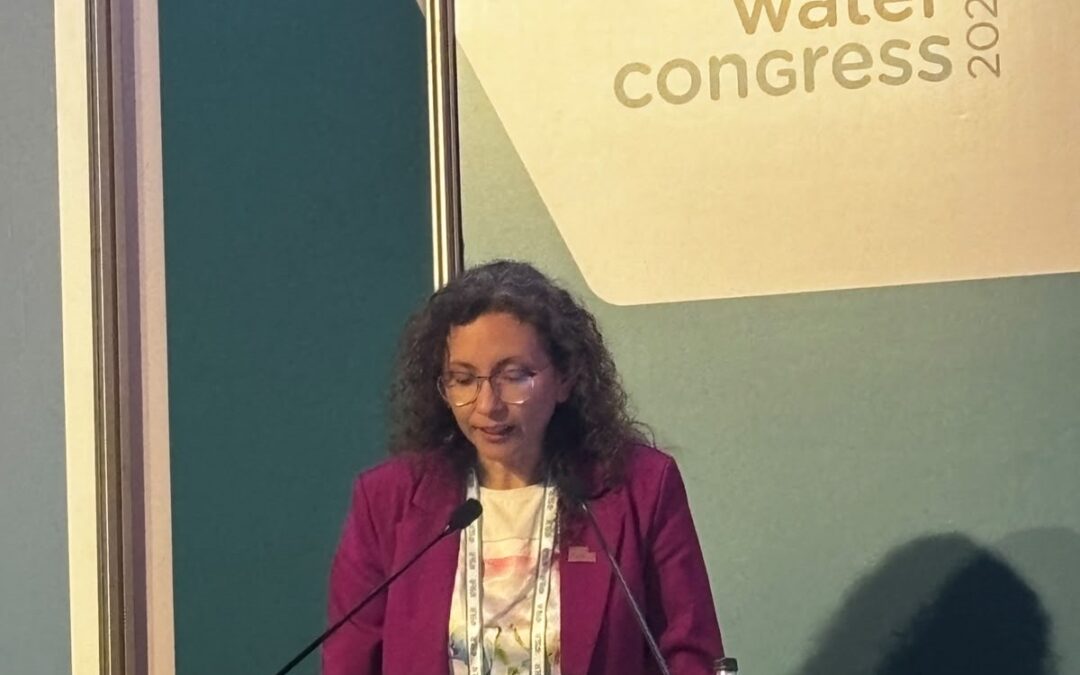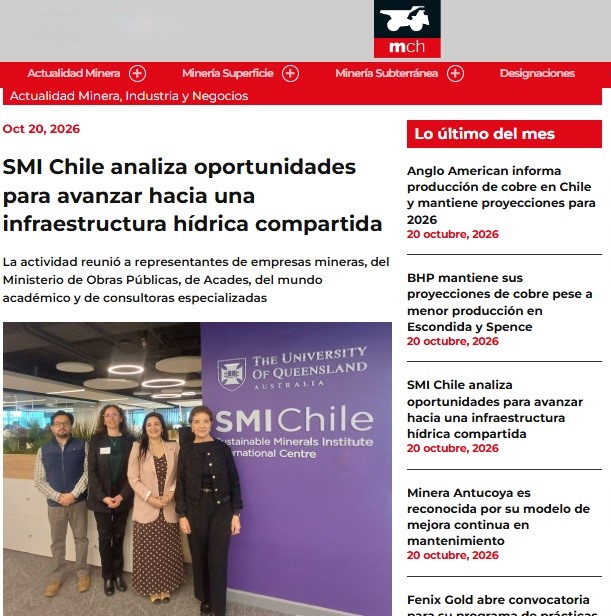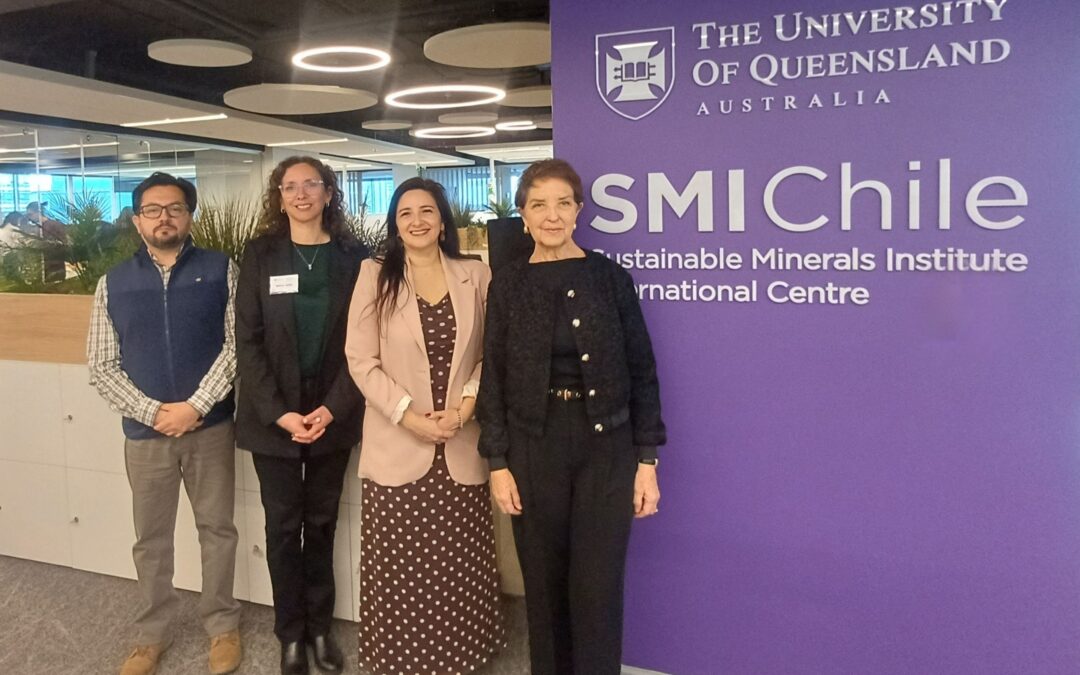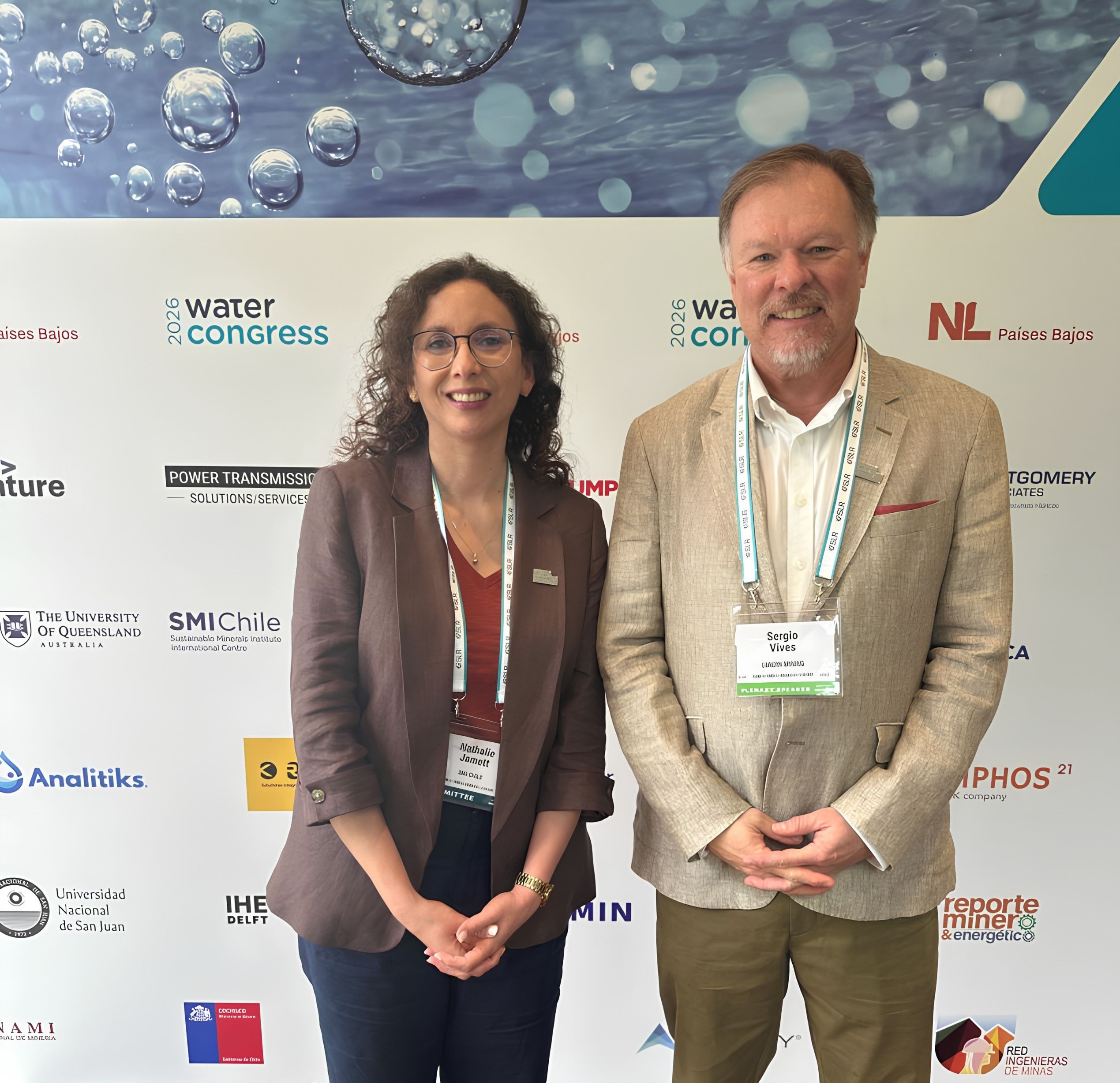
At the closing session of Water Congress 2026, Nathalie Jamett, Senior Researcher at SMI Chile, and Sergio Vives, Corporate Director of Environment, Permits and External Affairs at Lundin Mining Chile, jointly presented the opportunities and challenges that shared water infrastructure offers for mining development in the Atacama Region.
Under the title “Water, Mining and Regional Development: Towards Shared and Resilient Water Networks”, they examined the feasibility and benefits of this approach, focusing on the Copiapó River basin, where Lundin Mining Chile has a presence through its copper mining operations and projects: Candelaria, Caserones and Los Helados.
The plenary session was chaired by Solange Dussaubat, Water Resources Manager at Antofagasta Minerals.
Sergio Vives outlined the operational and infrastructure context of the Vicuña District, which brings together major mineral deposits and mining operations, including Caserones, as well as projects at different stages of development, such as Vicuña. Projections for the next ten years point to significant growth in gold and copper production, potentially positioning the district among the world’s leading mining regions.
The Lundin Mining Chile executive also detailed the infrastructure requirements associated with this expansion, particularly in relation to ports, energy and water.
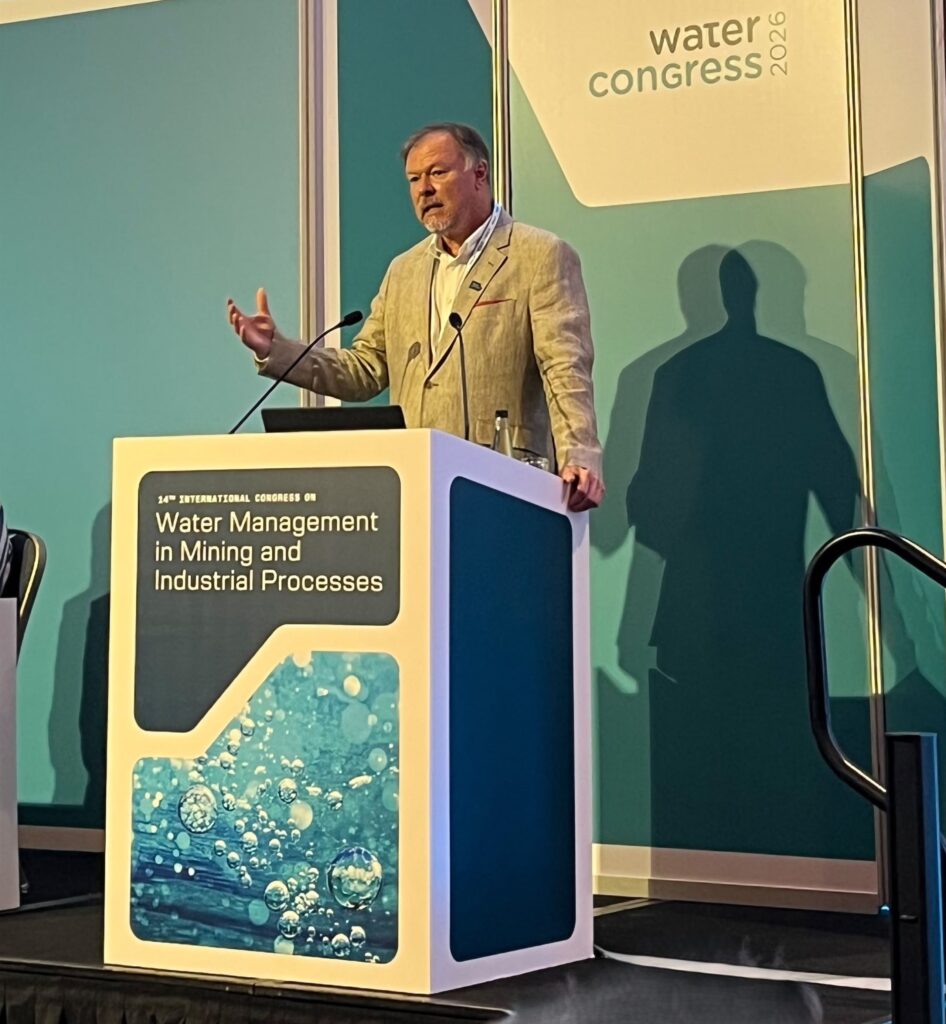
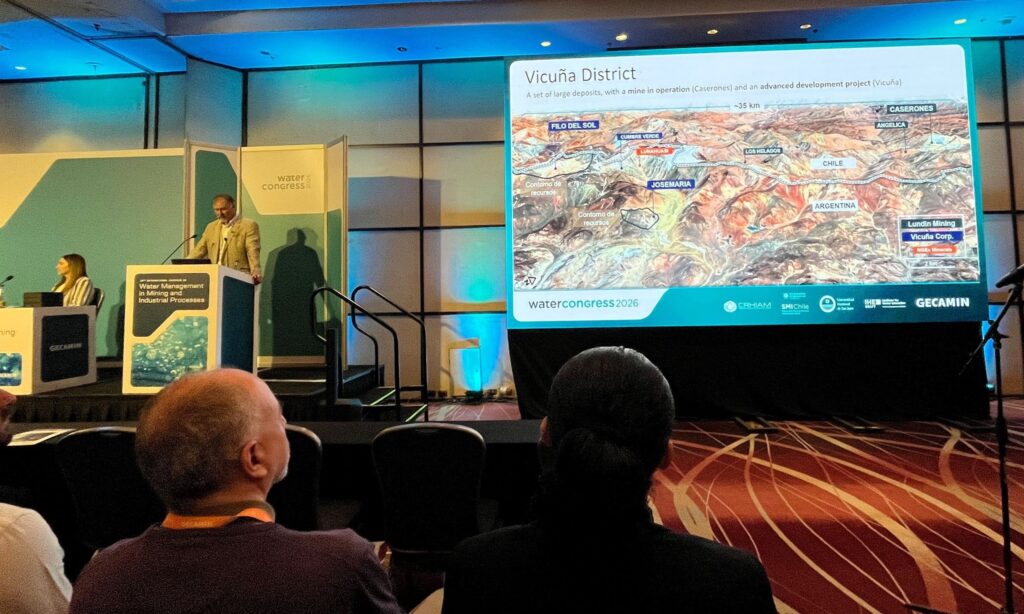
“One of the strategic infrastructure objectives for advancing the Vicuña District is the coordinated planning and delivery of infrastructure, identifying opportunities for shared solutions in water, energy, ports, corridors and logistics”, he said.
In a subsequent institutional publication, Sergio Vives expanded on the importance of planning these solutions with a long-term perspective: “Water infrastructure is designed to serve over several decades, and the agreements that make it possible to share it require that same long-term outlook. At Lundin Mining Chile, shared infrastructure is part of our vision for growth in Atacama, with planning aimed at responding to the needs of the region”.
He also highlighted the benefits of this approach in securing water supplies and reducing pressure on continental freshwater sources. However, he cautioned that its viability depends on clear rules, traceability and broad political and social consensus to support these initiatives and ensure their continuity.
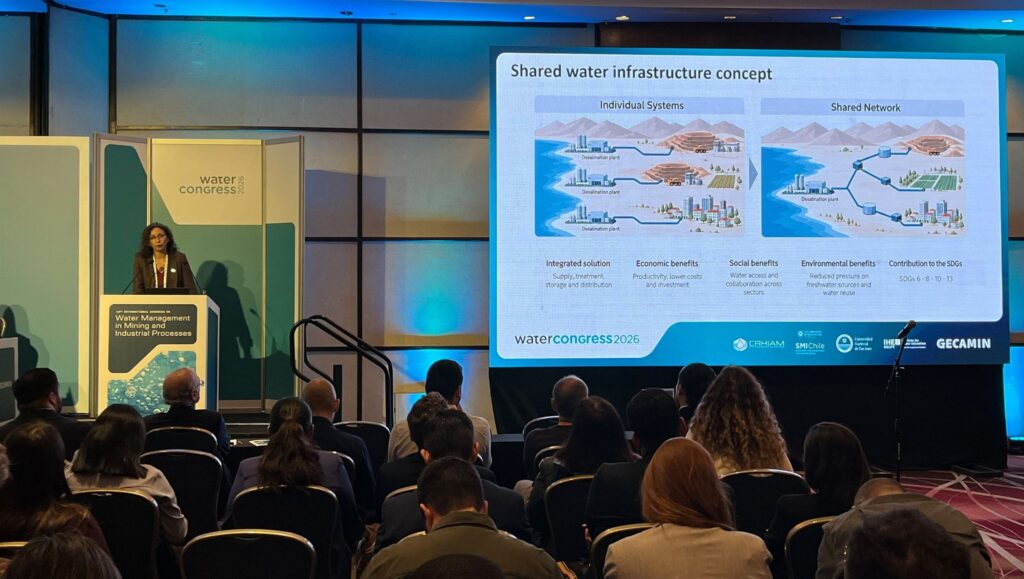
For her part, during the plenary session, Nathalie Jamett explored the concept of shared water infrastructure, using the Caserones operation as a case study under two prospective scenarios – 2035 and 2045. On this basis, she assessed potential benefits, strategic scenarios for implementation and governance challenges.
“This challenge involves not only infrastructure, but also governance models, financing and coordination between users”, she said. “Viewed from a long-term strategic perspective, water sharing is a promising tool that can optimise costs and reduce impacts, while also freeing up water for other sectors and generating shared benefits for mining, communities and other productive sectors”.