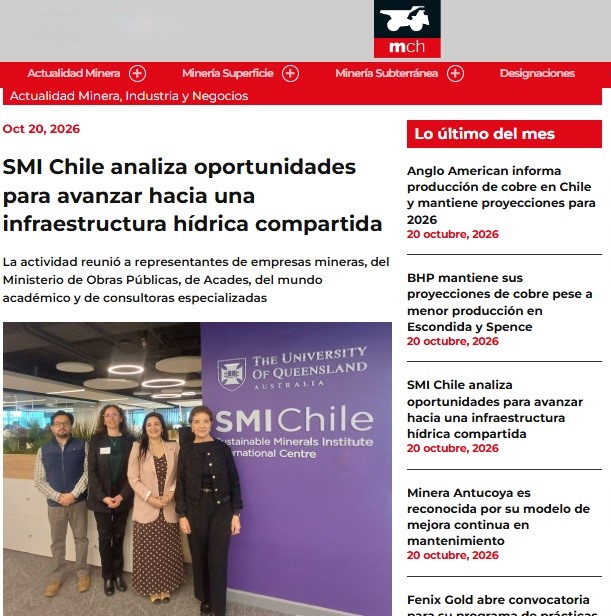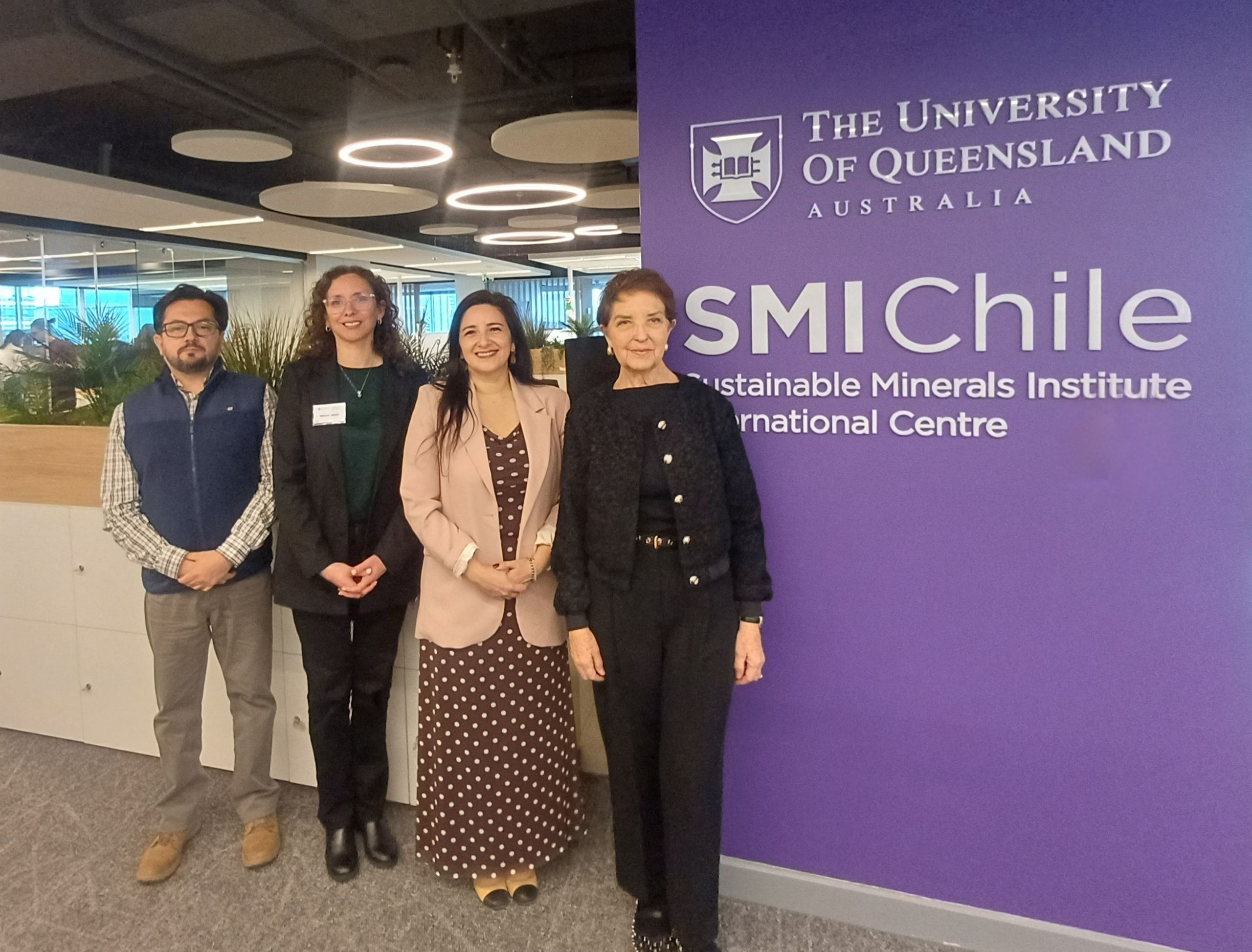
Together with Nathalie Jamett, Senior Researcher at SMI Chile, the former minister and president of the Association of Public Infrastructure Concessionaires of Chile (COPSA), and the former Director of the General Water Directorate (DGA), discussed the outlook for water infrastructure development and the challenge of moving towards a shared water management model.
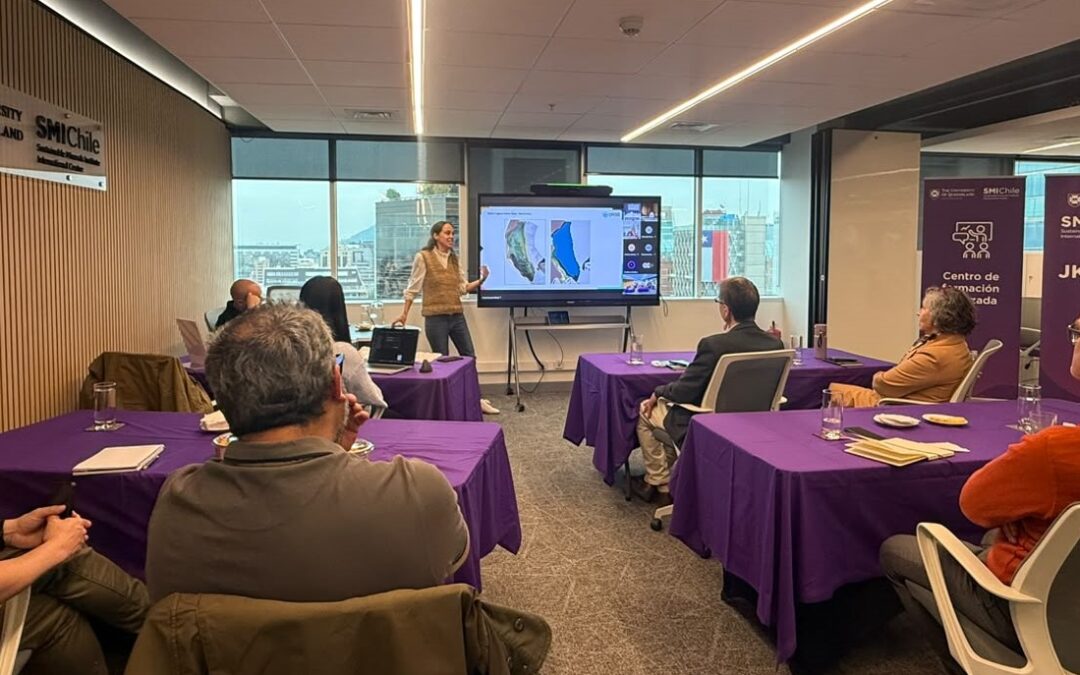
The workshop aimed to present and stimulate discussion on a water management tool developed by an SMI Chile team as part of the CORFO-funded project Resilient Future: Smart Water Solutions for Regional Sustainable Development.
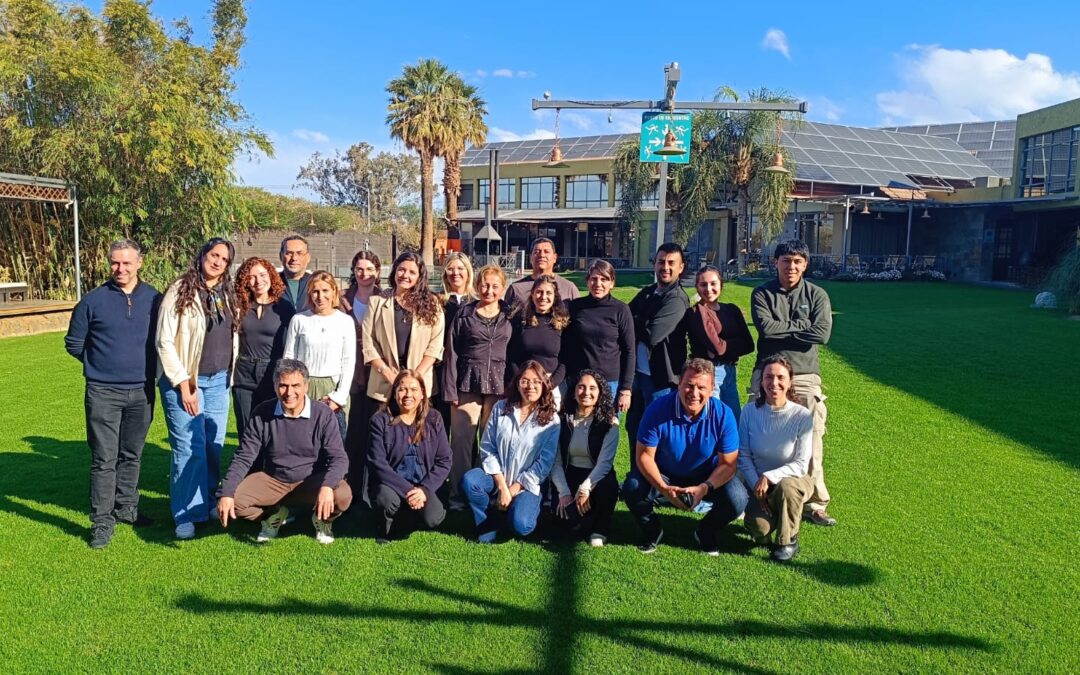
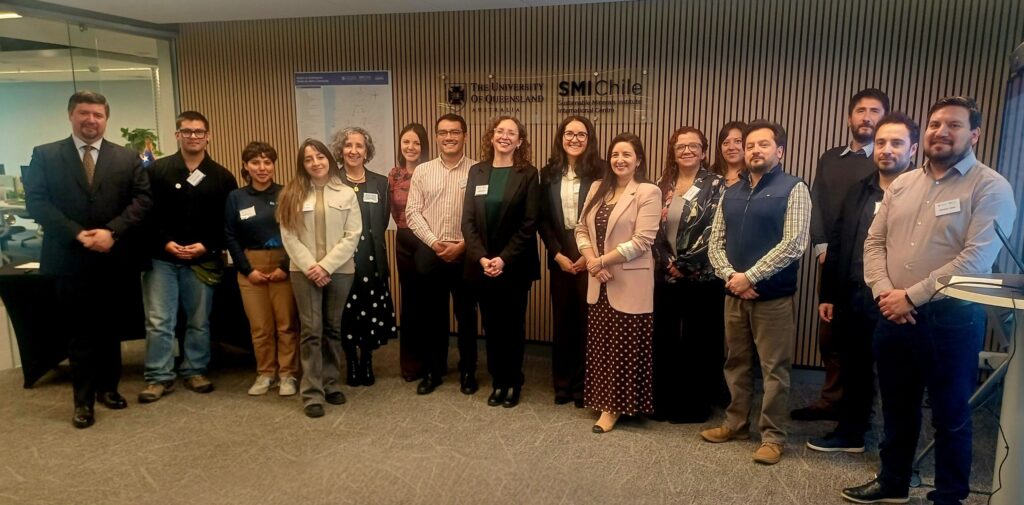
The event brought together representatives from mining companies, the Ministry of Public Works, ACADES, academia and consultancies specialising in water management projects.
In her presentation, Gloria Hutt explained the benefits of the public–private concession model, which has enabled infrastructure development in Chile over the past 30 years. She also highlighted water infrastructure as one of the key pillars of future development.
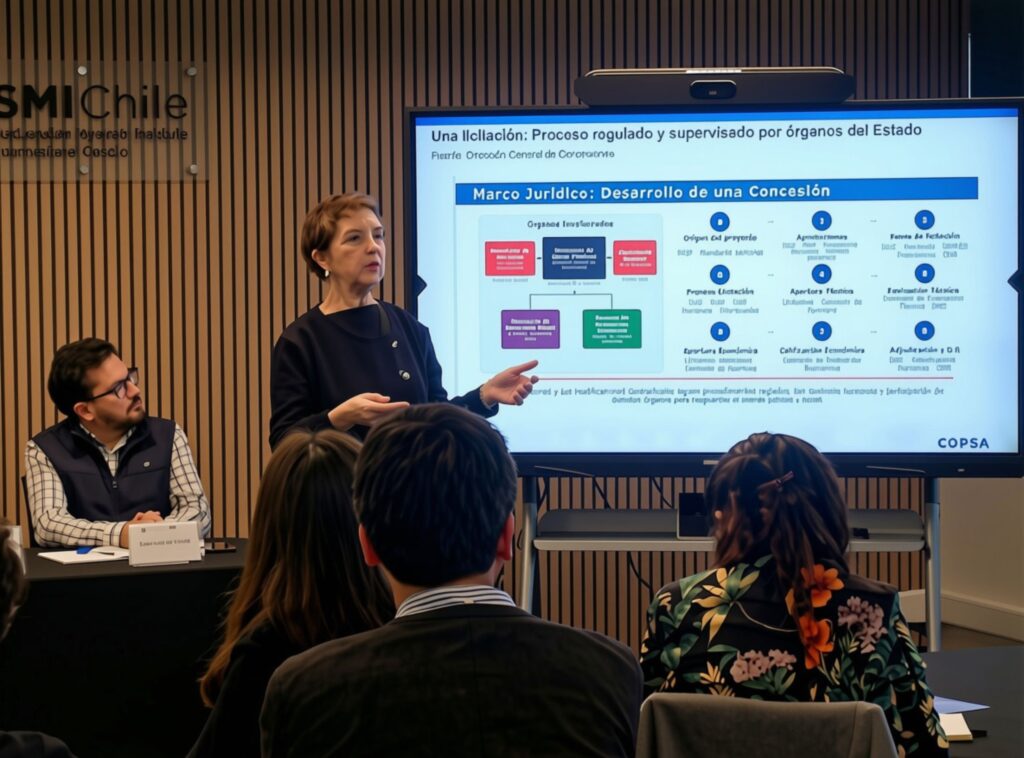
Gloria Hutt
The former minister discussed a scenario in which urban growth and the expansion of electromobility are driving up demand for raw materials such as copper, steel, lithium and nickel, as well as increasing water requirements, with seawater accounting for a growing share of supply. She also noted that water security is one of the four areas receiving the largest budget allocations within the National Public Infrastructure Plan’s project portfolio, which includes initiatives to build reservoirs and desalination plants.
Asked how to move towards more efficient water management, particularly in areas affected by extreme drought, such as northern Chile, where large-scale mining operations are concentrated, Hutt emphasised the need to establish priorities and manage this scarce resource intelligently.
“Water management will undoubtedly become an increasingly complex challenge. We should therefore approach it as a multi-purpose challenge, in which integrated water management projects such as the one presented here make a great deal of sense,” she stressed.
Rodrigo Sanhueza, a consultant in water resource management and governance for the public and private sectors, argued that the tool developed by SMI Chile opens up a new roadmap for water security in Chile, with implications for strategic plans and the work of river basin roundtables.
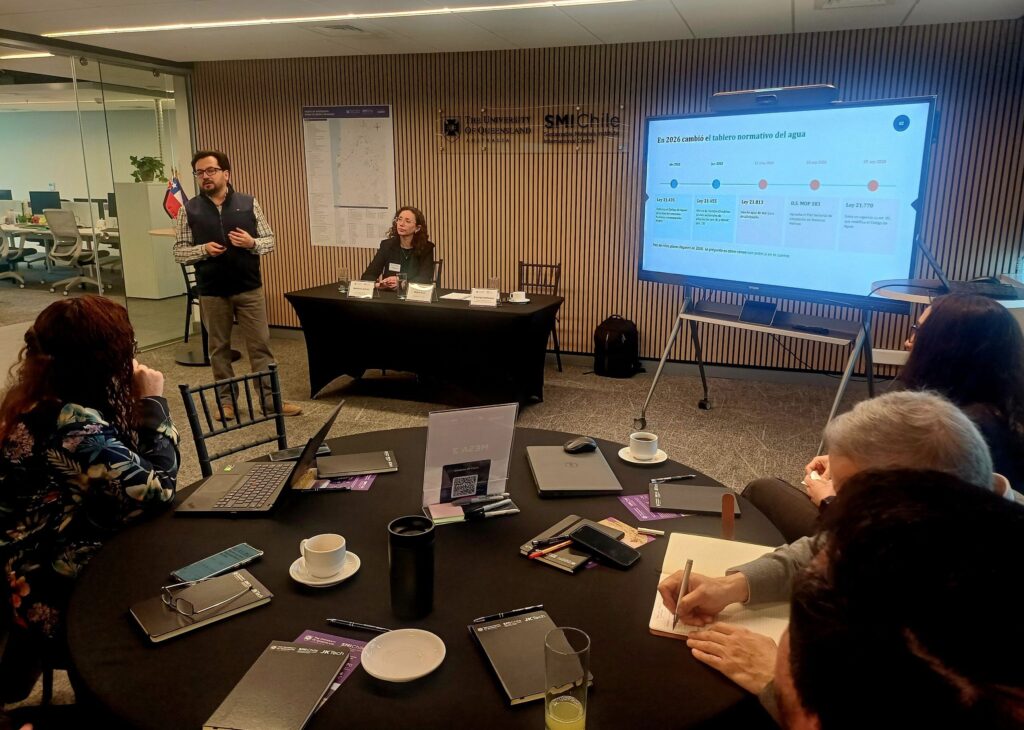
Rodrigo Sanhueza.
“The task is to determine how this shared water management project can be aligned with and integrated into basin-level instruments, water rights, desalination plants and the permitting system,” he said.
Sanhueza explained that amendments to the Water Code, regulations on desalination and the Climate Change Adaptation Plan for the Water Resources Sector (PACC-RH) include measures and actions that require the collection of common information, including indicators and data on actual water withdrawals. “The plan itself identifies fragmented information generation as an institutional problem, highlighting the challenges of coordination across a broad range of stakeholders, who currently operate according to their own plans and strategies,” he said.
“For example, large-scale mining companies built desalination plants independently, without a national planning framework, while the reuse of treated wastewater accounts for just 6%. This is why a shared water management tool is needed,” he added.
Nathalie Jamett, Senior Researcher at SMI Chile and project lead, presented the advantages of a shared water management model compared with the current system, which relies on individual supply sources.
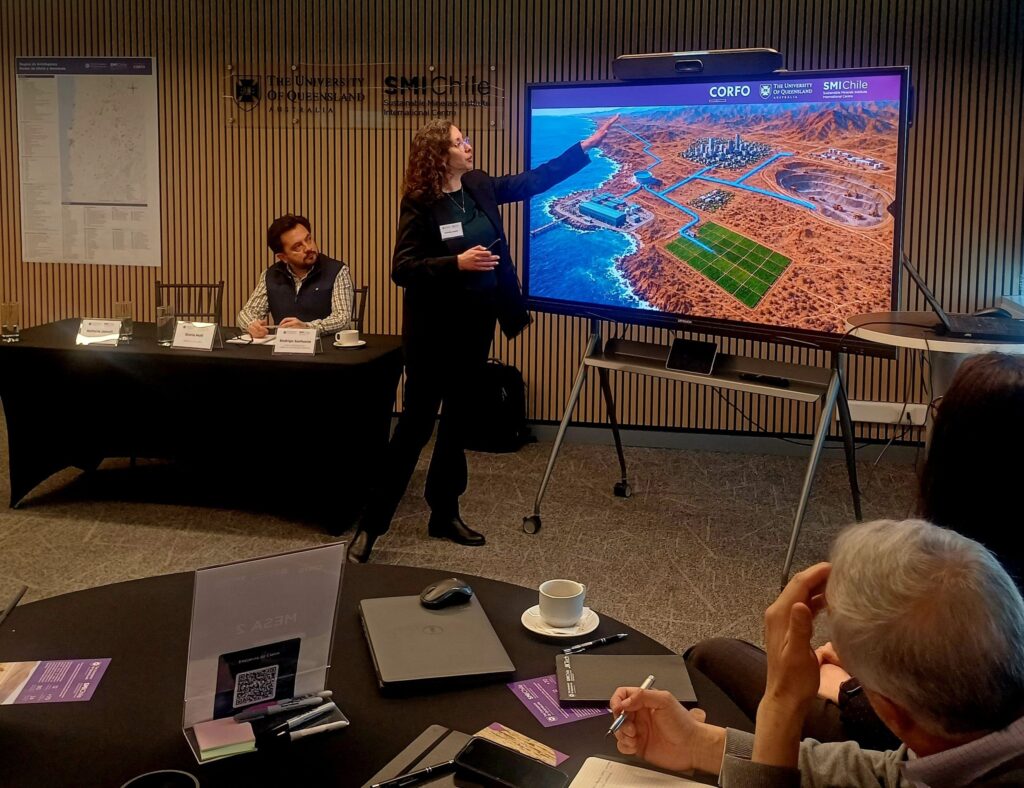
Nathalie Jamett.
“A shared water network offers advantages in water supply, treatment, storage and distribution,” she explained. “It also delivers economic benefits through lower costs and higher productivity, as well as social benefits in terms of access to water and collaboration between different sectors. From an environmental perspective, it can reduce pressure on freshwater sources and increase water reuse.”
Jamett noted that the next steps are to scale up and commercialise the project, for which integrating the model into governance mechanisms will be essential. “Just as we have a central interconnected electricity system, we should move towards a similar system for water management,” she said.
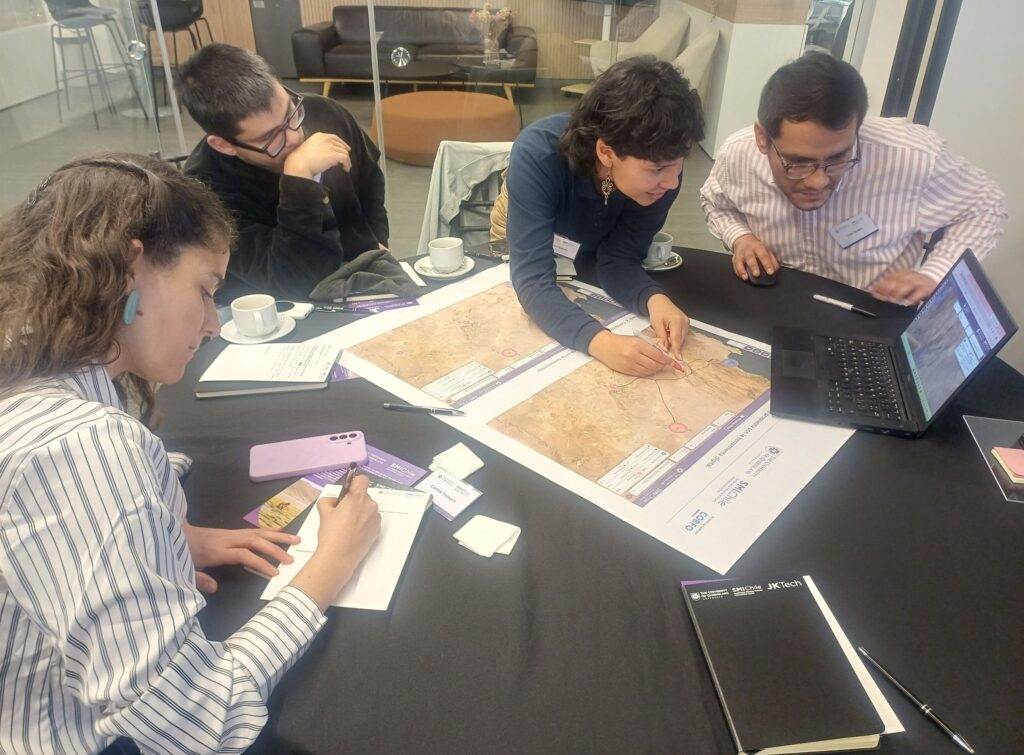
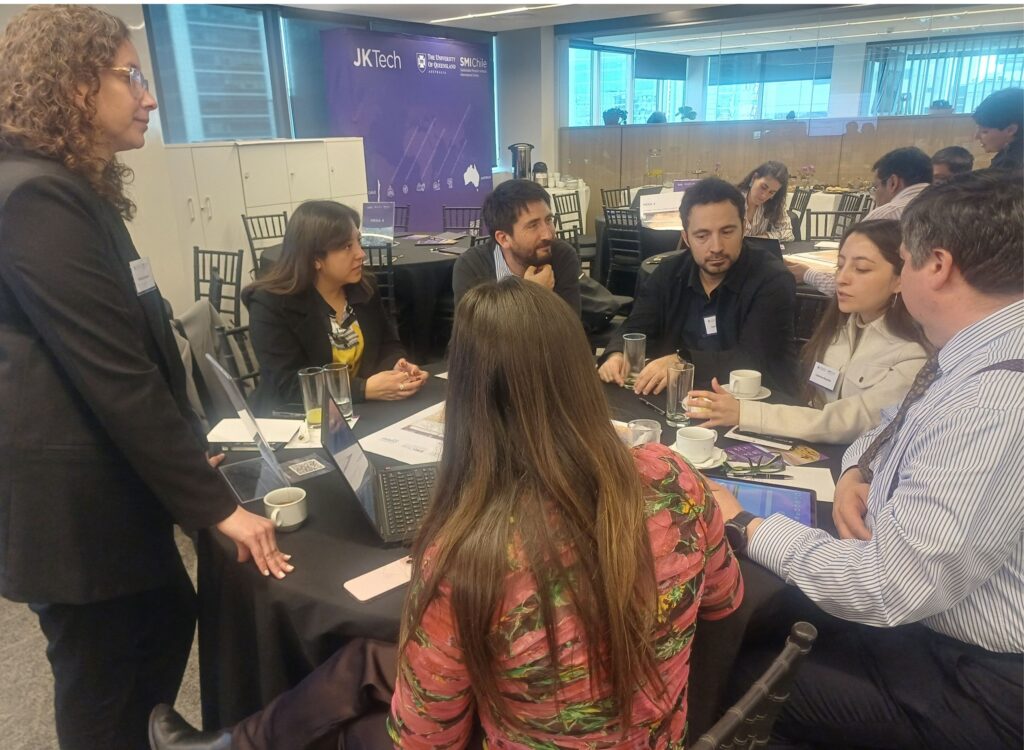
The workshop concluded with a practical exercise in which participants were able to validate the tool by designing shared infrastructure networks. Using different scenarios in which various stakeholders supplied water to multiple users, they explored how infrastructure coordination can optimise resource use from economic, social and environmental perspectives.
For more information, check out the “Agua Conecta” video