The general manager of SMI-ICE-Chile, an expert in the social aspects of this issue, was one of the keynote speakers at the meeting on mine closure, recently held in Bogotá, Colombia.
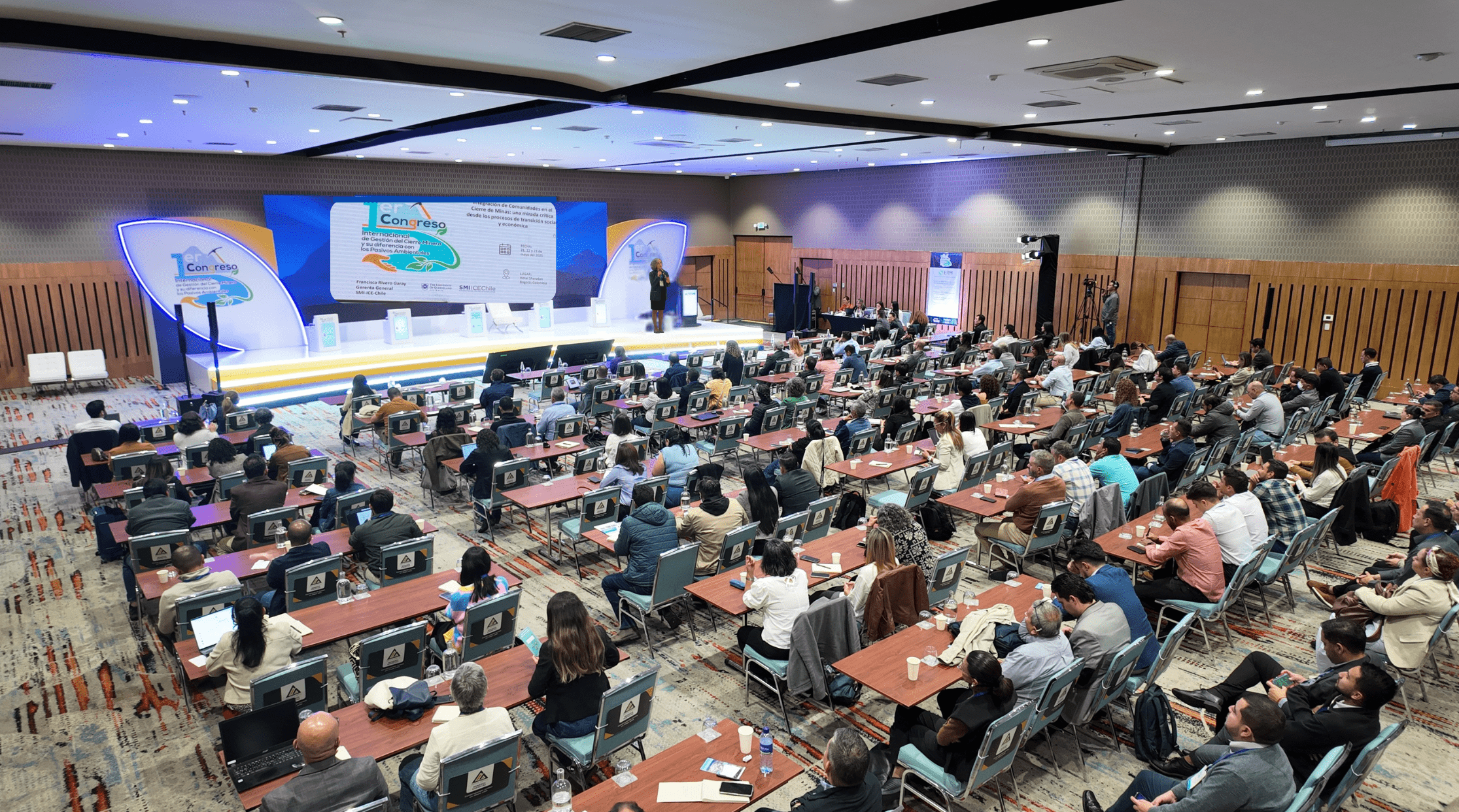
This First International Congress on Mine Closure Management and Environmental Liabilities was a specialized event with a technical and academic focus. It brought together experts, professionals, and academics in the fields of mining and socio-environmental management to discuss and share knowledge on best practices and strategies for mine closure and environmental liability management.
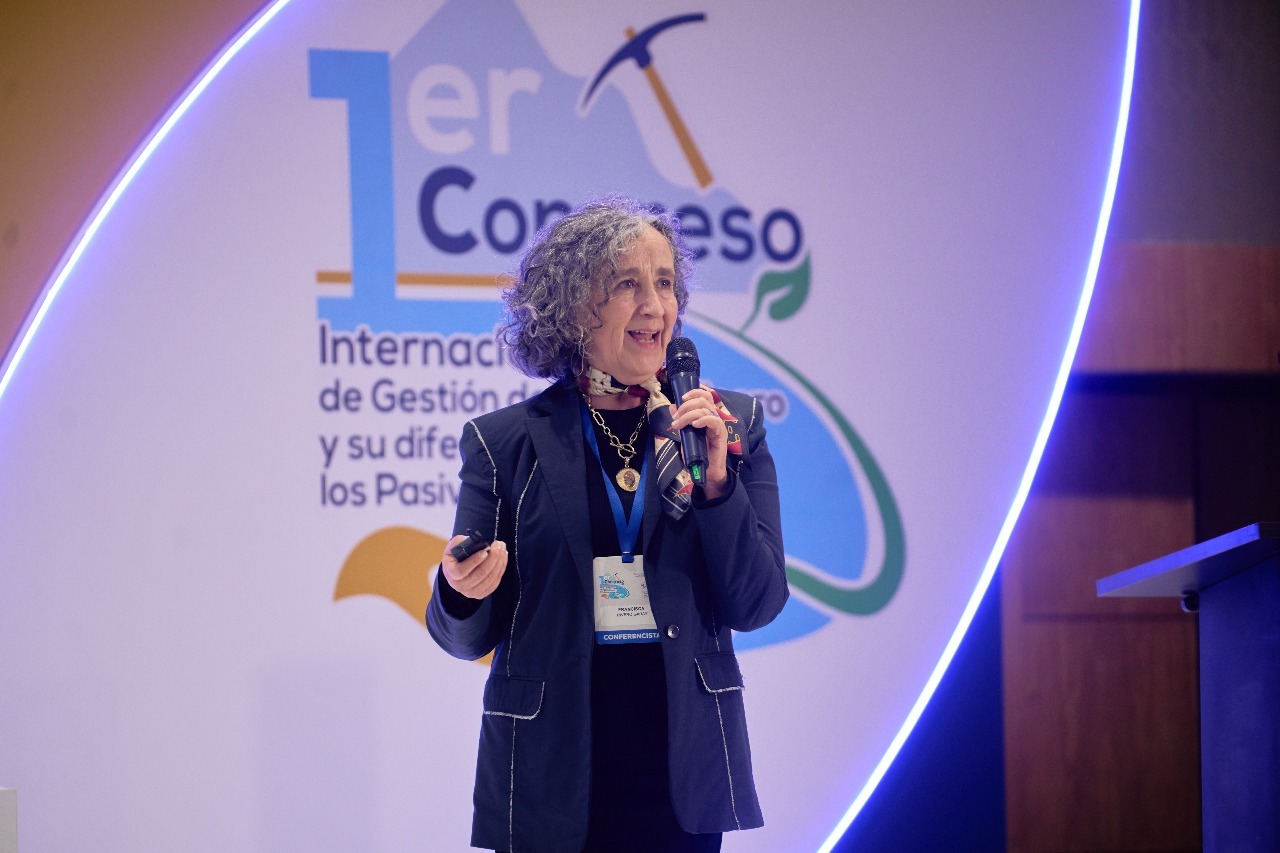
Through her presentation, «Community Integration in Mine Closure: A Critical Perspective from the Processes of Social and Economic Transition,» Francisca Rivero presented the Center’s experience in mine closure, focusing on social aspects.
«The proposed approach requires mining companies to develop strategies to address mine closure as a social process that clearly identifies the impacts and how these will affect future social, economic, and environmental systems,» said the general manager of SMI-ICE-Chile. «This means having mechanisms in place to facilitate a social and economic transition based on knowledge of the territory and adapted to the requirements, capabilities, and experience of the relevant stakeholders.»
Francisca Rivero shared the proposal to incorporate communities into closure processes, highlighting the urgency of having an integrated model for managing social mine closure that enables the transition and guarantees conditions of safety, well-being, and prosperity for the inhabitants of the territories in post-mining scenarios.
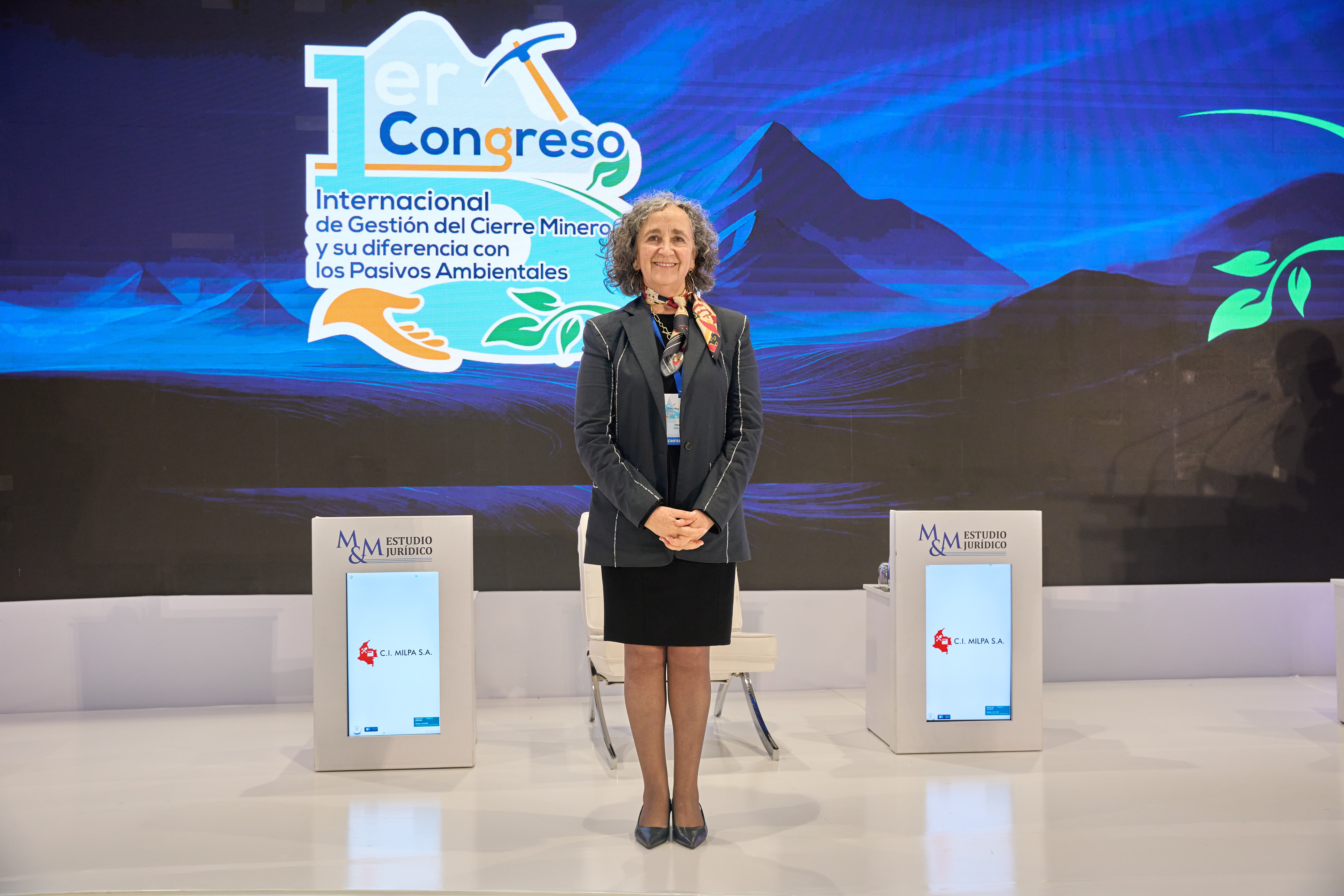
“For SMI-ICE-Chile, sustainable mine closure is a strategic program that seeks to promote processes to generate value, protect ecosystems, and guarantee the well-being of communities, promoting transition processes toward new activities in the territories,” Francisca Rivero emphasized. “Our experience in this area demonstrates the need for interdisciplinary approaches that allow for an interface of integration and collaboration to fully understand the mining life cycle, with the particularity of making it visible early and considering the intergenerational variable.”
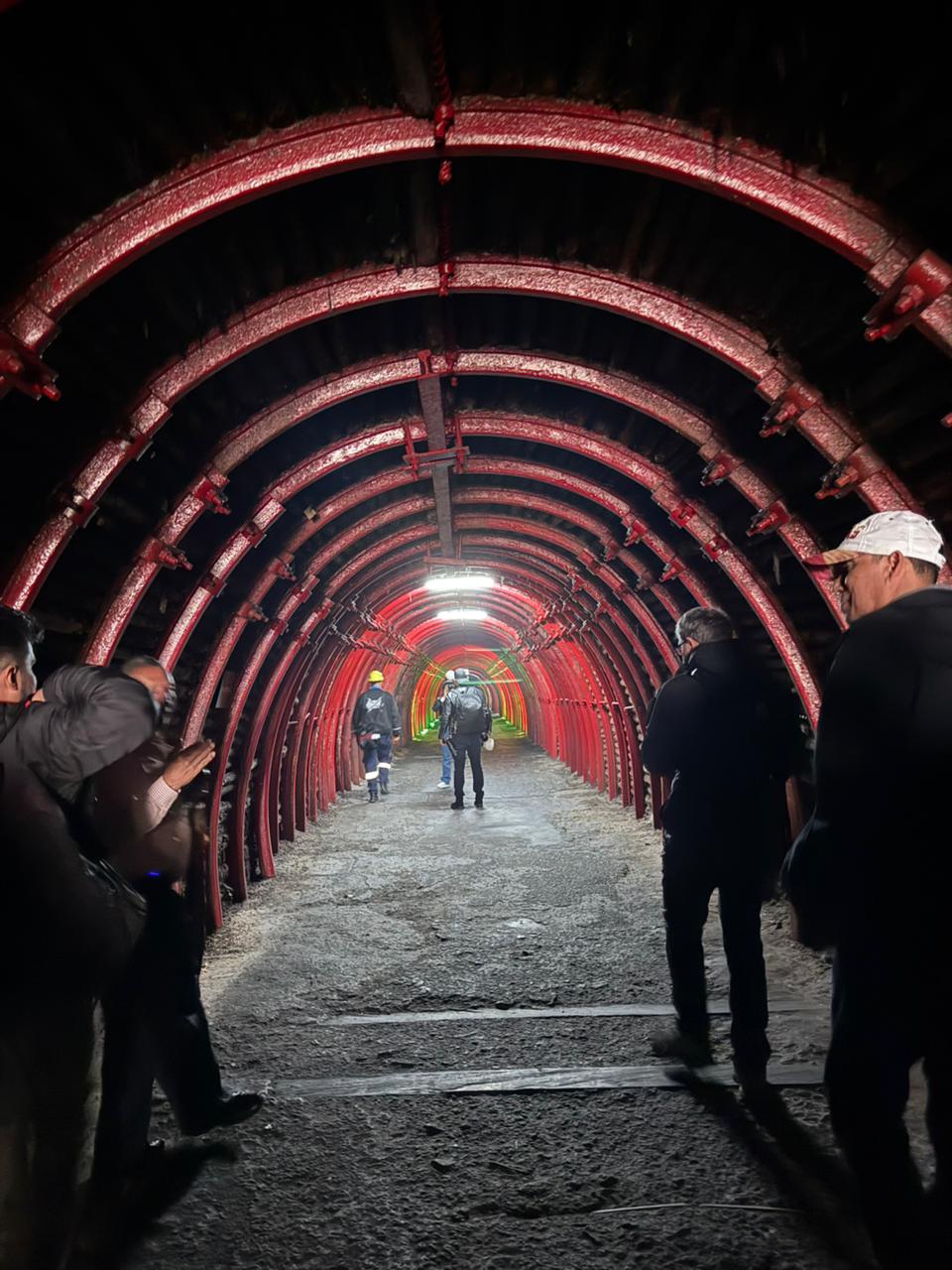
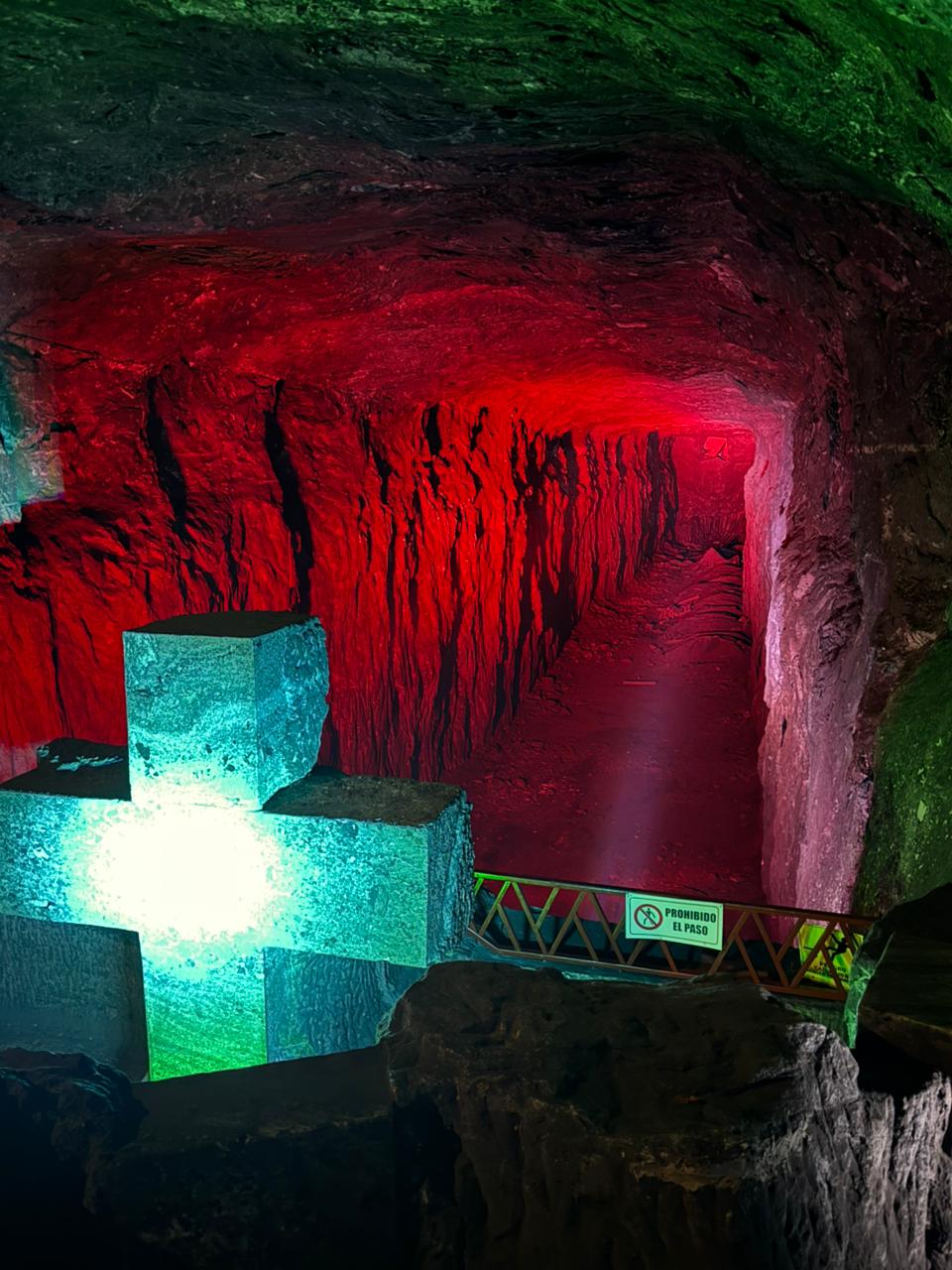
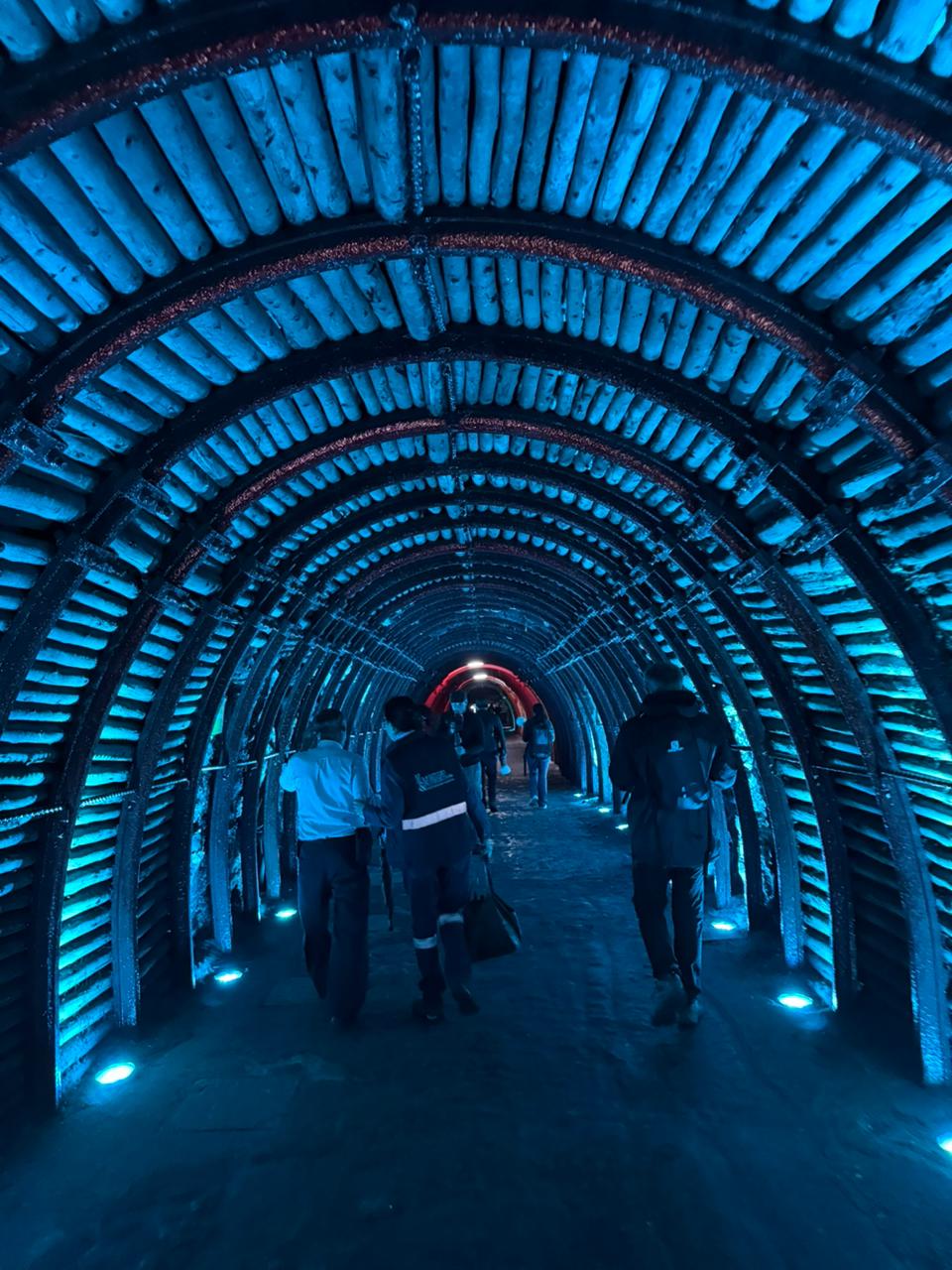
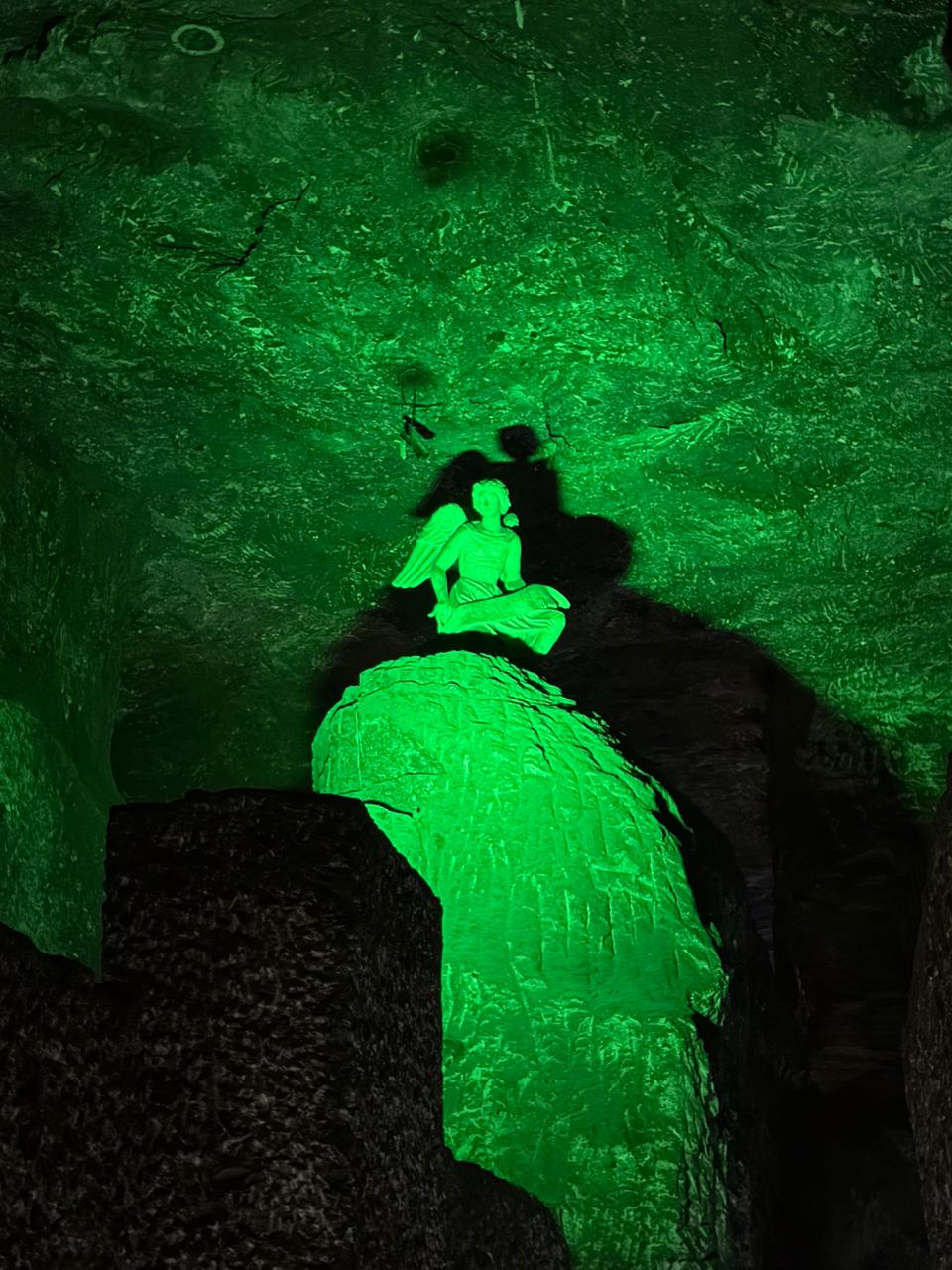
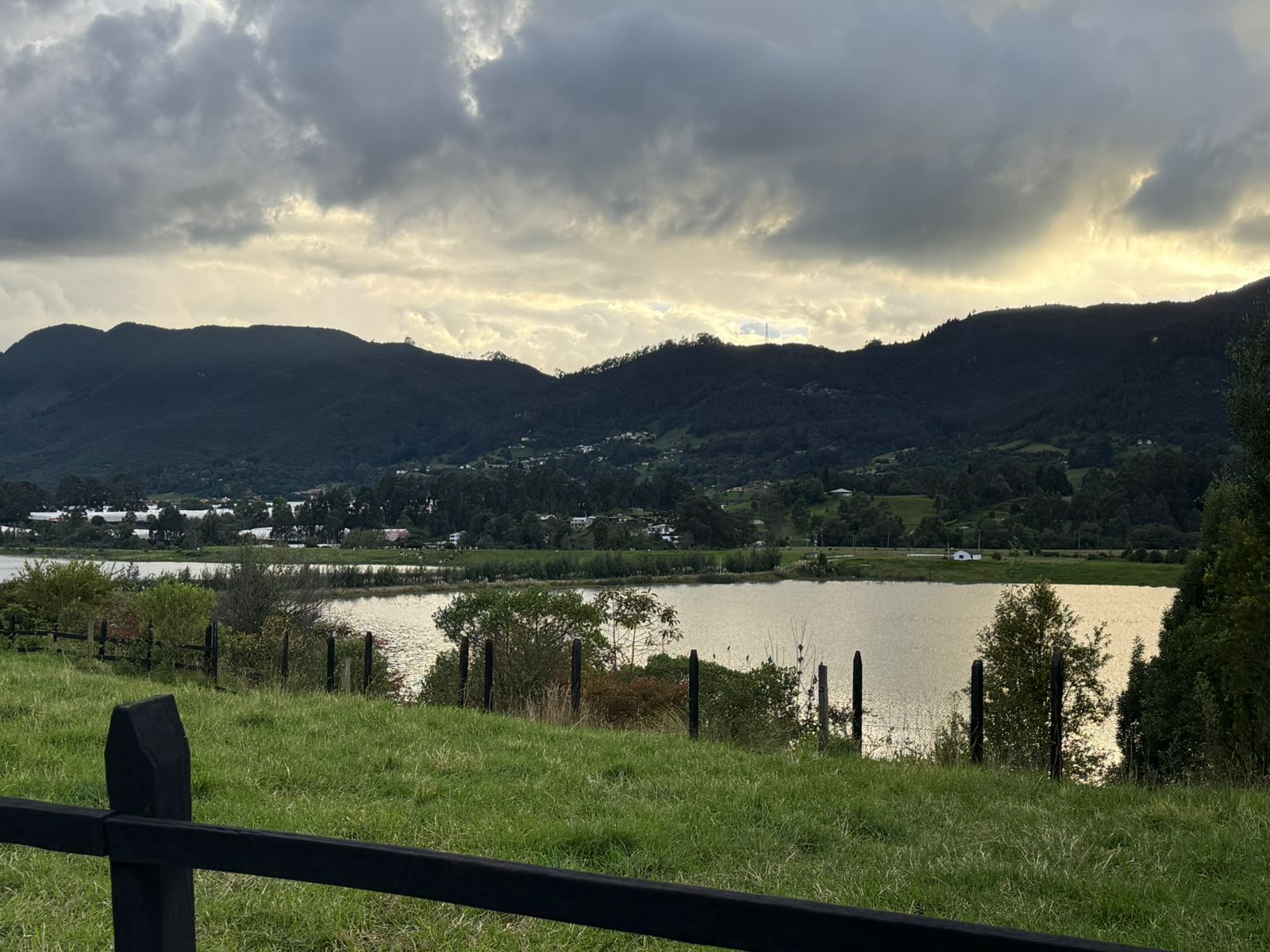
The first day of this conference began with a technical visit to two emblematic mine closure cases in Colombia: The Salt Cathedral in Zipaquirá and the Gravillera Albania mine in Tabio, in the Cundinamarca region.
These closure processes stand out for their positive results and their impact on tourism and the socio-environment.
Built inside the Zipaquirá salt mines and originally exploited by the Muisca indigenous people, the Salt Cathedral is considered one of Colombia’s most important architectural and artistic achievements.
Gravillera Albania, a mining project for construction materials classified as large-scale mining, defined its closure plan from the beginning of operations: 25 years later, it has successfully realized its original objective of converting the area affected by mining into suitable agricultural use, as it is today.
«Both cases,» Francisca Rivero emphasizes, as a result of this visit, «show us how it is possible to design successful closure processes, using a multivariate approach that reflects the vocation of the territory, incorporates the importance of restoring ecosystem services, and promotes the social, economic, and environmental development of the territories affected by mining.»
The event, held in Bogotá, Colombia, from May 21 to 23, was organized by M&M Estudio Jurídico Ltda., a mining and environmental law firm.