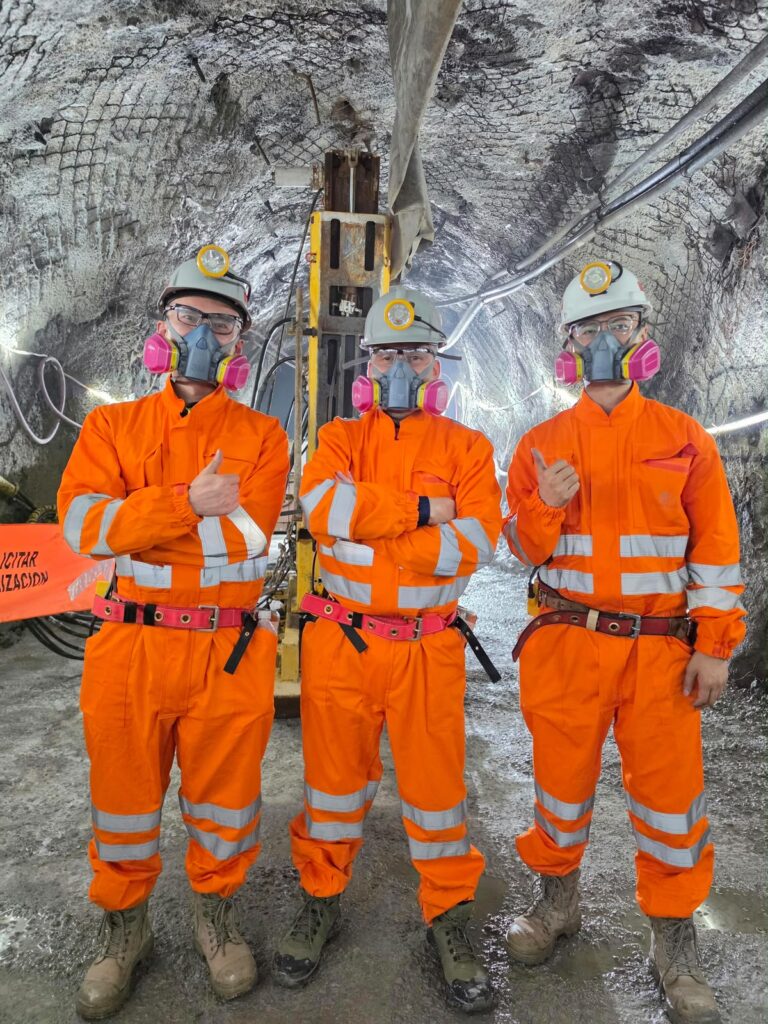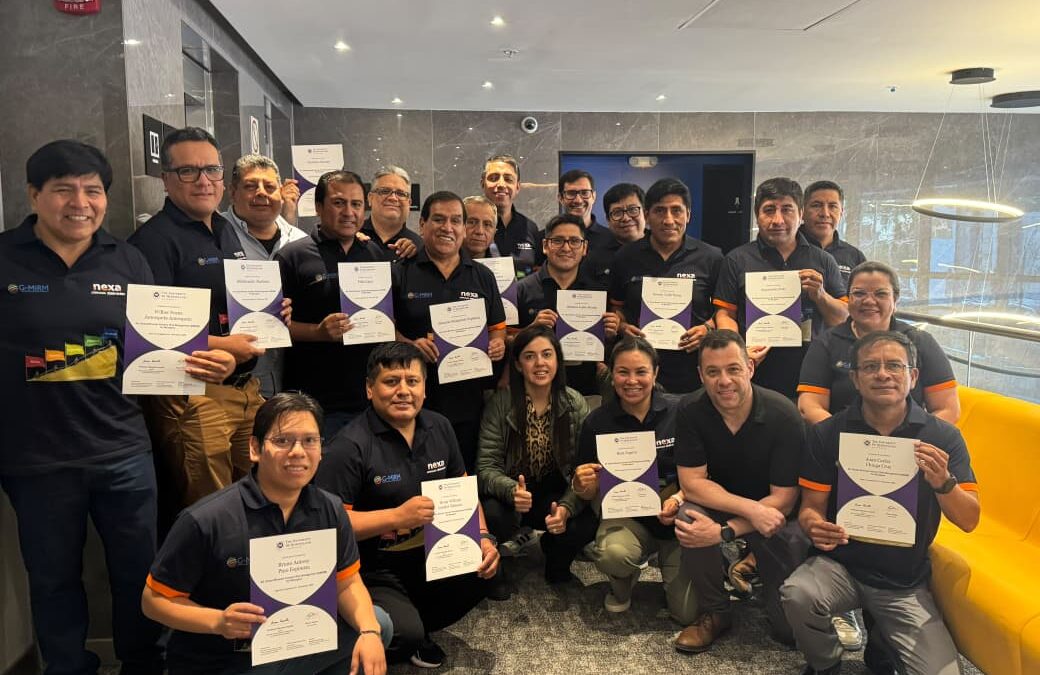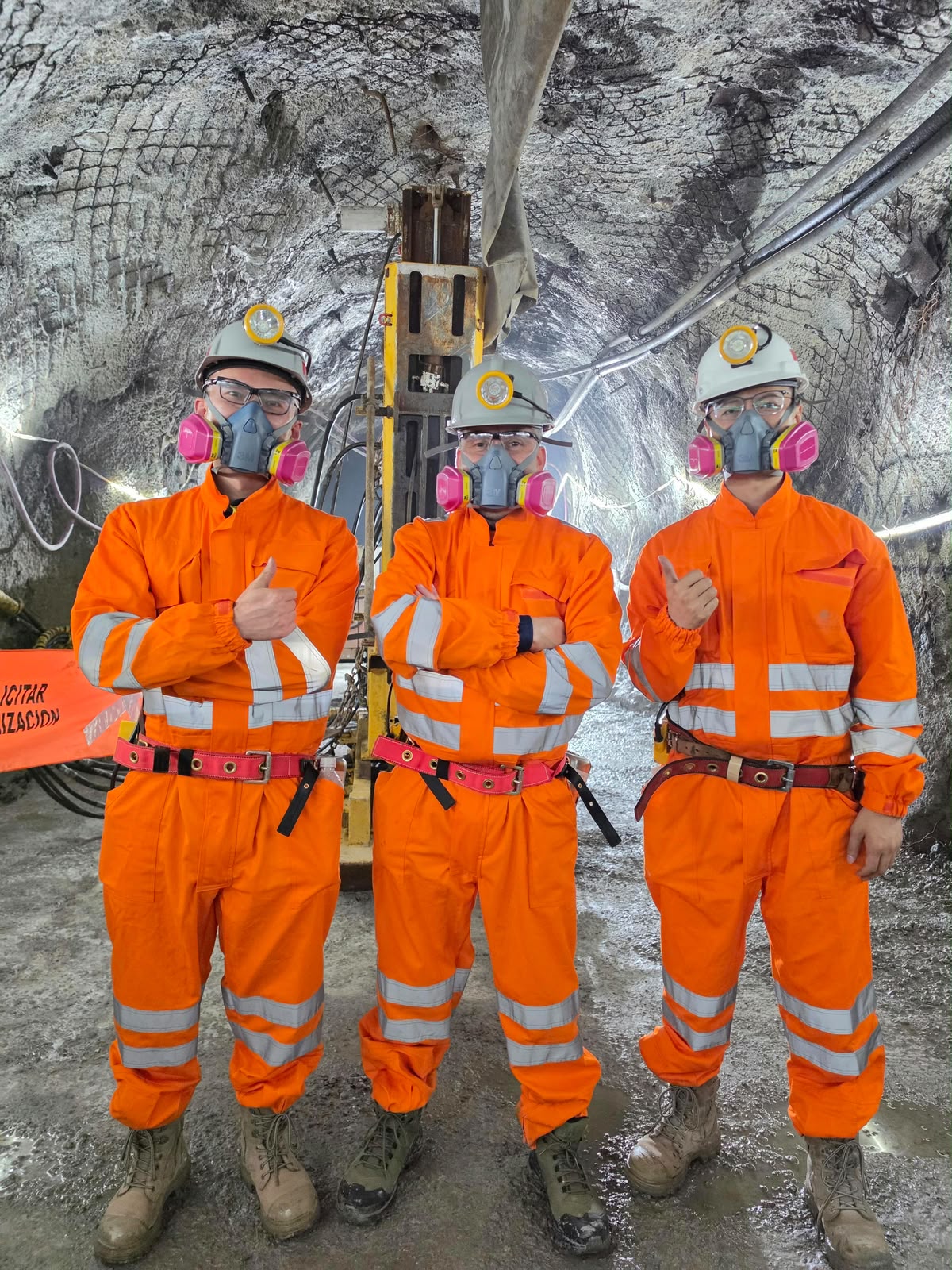
As part of a project to assess and analyse the hard-rock preconditioning system at this mining operation, a team from the University of Queensland (UQ), led by Professor Ítalo Onederra, visited the Andes Norte sector of Codelco’s El Teniente mine and also held a workshop for professionals from Codelco’s Head Office and El Teniente Division working in this field.
Ítalo Onederra, an expert from the School of Mechanical and Mining Engineering at the University of Queensland, is currently working alongside a team of specialists from the university on a project for Codelco aimed at assessing and analysing the hard-rock preconditioning system used at El Teniente.
The technical team led by Ítalo Onederra also includes researchers Zhongwei Chen, Saiied Aminossad, Christopher Leonardi, Yumeng Zhang and Bo Zhang. In Chile, the initiative is coordinated by José Ojeda, researcher at SMI Chile.
One of the main challenges in underground mining of large copper deposits is ensuring that the rock fractures and caves in a controlled and predictable manner.
Preconditioning involves intervening in the rock mass before mining, with the aim of modifying its geomechanical properties to facilitate fracturing and subsequent caving.
This challenge is particularly significant in a large-scale operation such as El Teniente, the world’s largest underground copper mine, where the ability to anticipate and control rock mass behaviour has a direct bearing on productivity, worker safety, operational continuity and the economic viability of the deposit.
Ítalo Onederra has specialised in this field and has conducted a range of experiments in laboratories in China to test the so-called ‘confined blasting system’, a technique designed to induce controlled hydraulic fracturing of the rock using explosives, which forms part of what is known as intensive preconditioning.
The project seeks to assess and adapt existing knowledge on preconditioning — including experimental and modelling approaches — to determine its relevance and applicability to Codelco’s specific geological and operational conditions.
It also involves building capabilities through the transfer of analytical techniques, experimental interpretation skills and practical methodologies to assess the effectiveness of preconditioning and interpret complex data.
During his visit, as part of the project, Professor Onederra also conducted a workshop for professionals from Codelco’s Head Office and El Teniente Division working in geosciences, geomechanics, geology, hydraulic fracturing operations, geotechnical instrumentation and modelling.
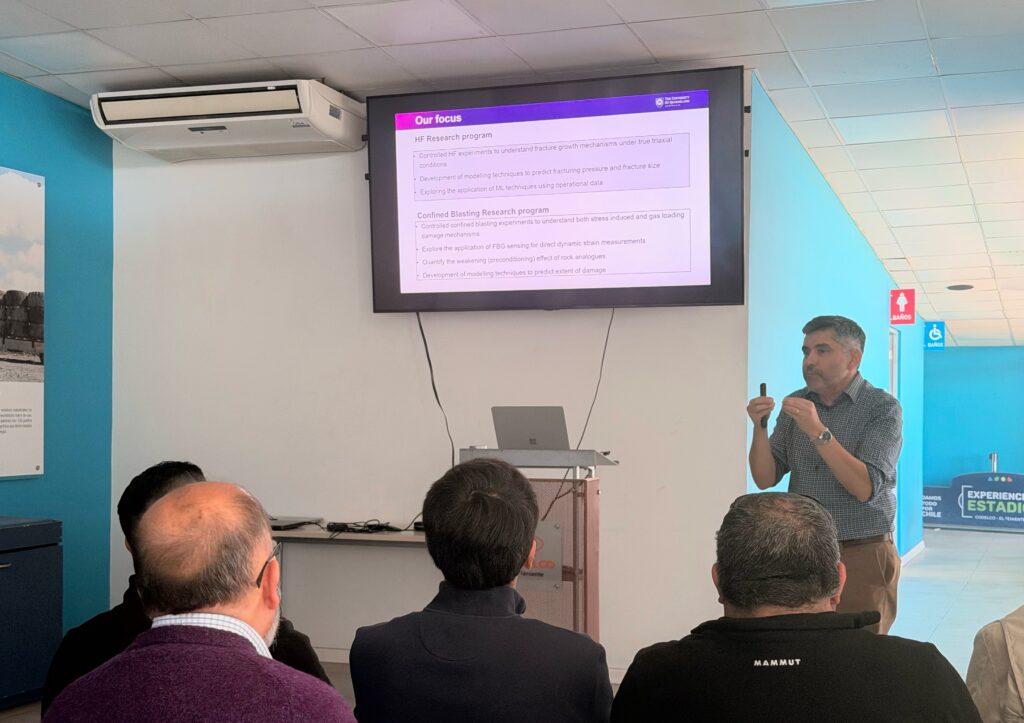
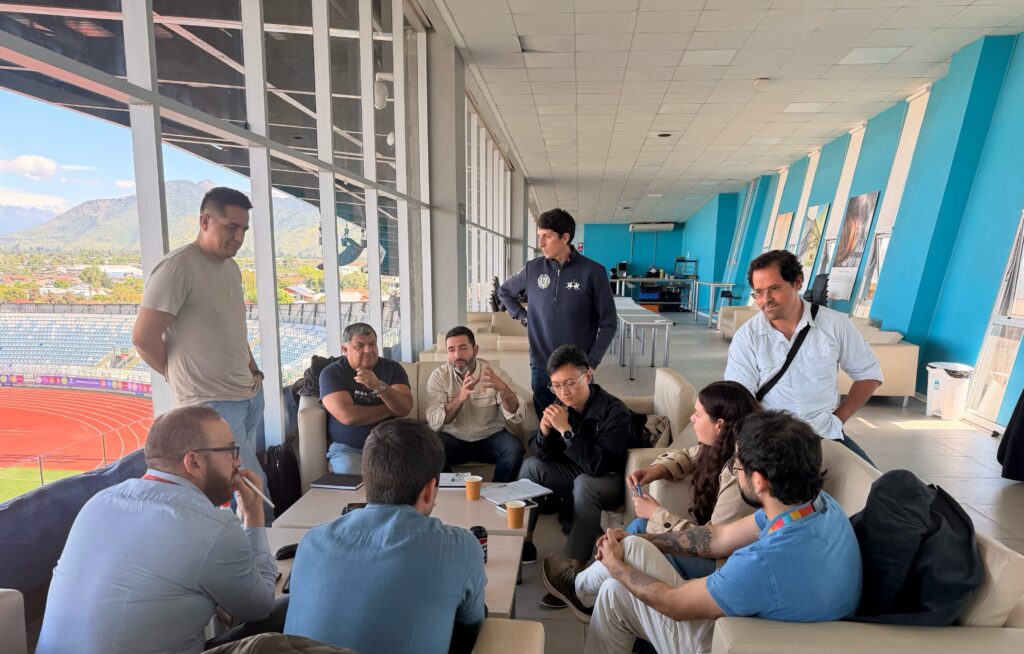
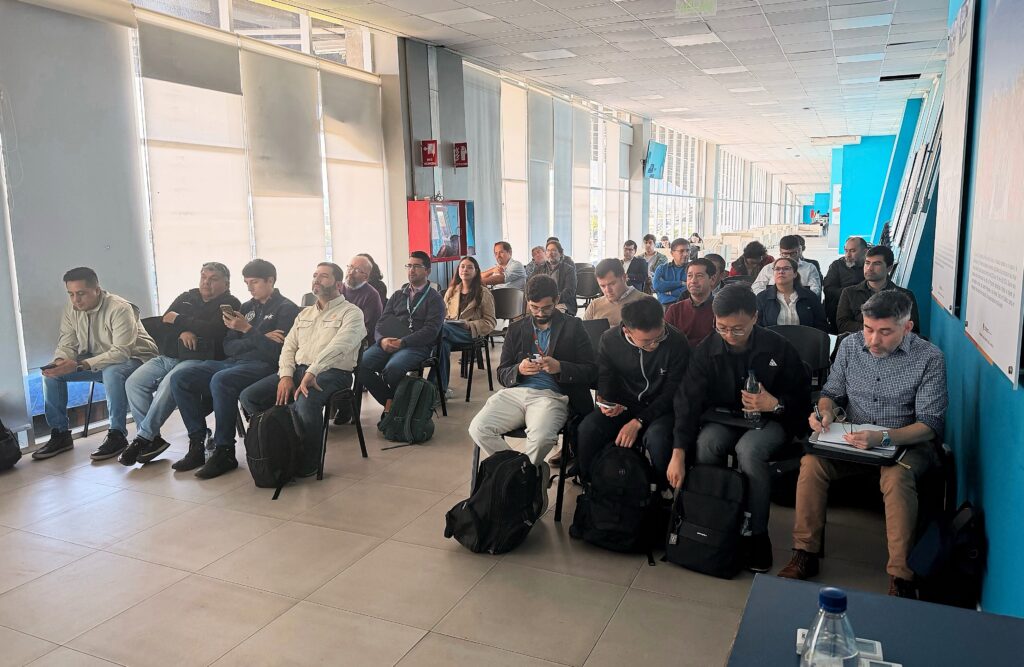
‘The aim was to share and compare Codelco’s operational experience with UQ’s research and modelling capabilities, identifying gaps and opportunities for joint work to optimise preconditioning strategies and contribute to caving management more broadly, as well as seismic risk management in deep mining in particular,’ explained Nadia Bustos, Director of Geoscience Development and the person responsible for the initiative within El Teniente’s management team.
Professionals from the various areas involved also took part in the workshop, along with Patricio Flores, head of hydraulic fracturing operations and the project’s principal sponsor at El Teniente.
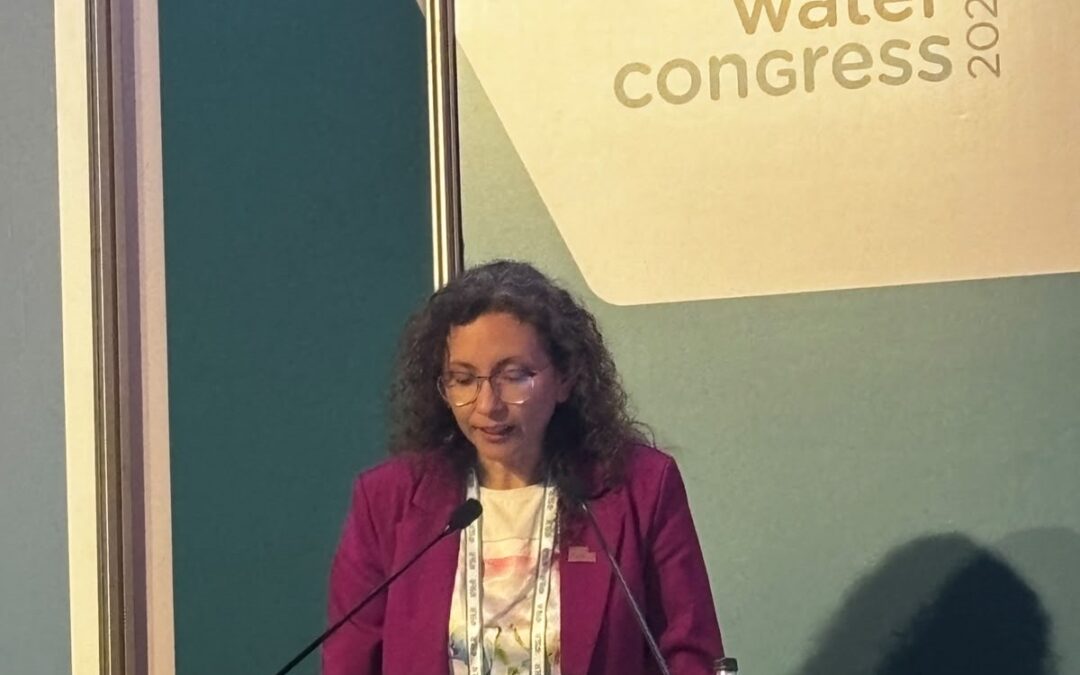
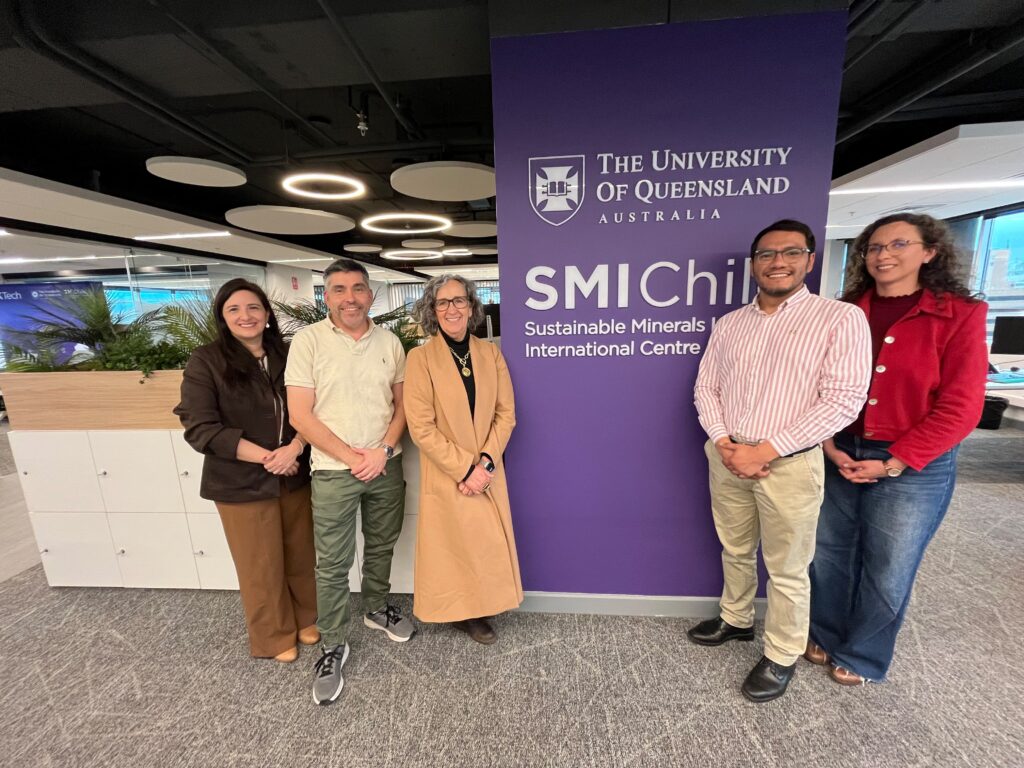
At SMI Chile’s offices in Santiago, Ítalo Onederra also met with Mary Valdés, Executive Director, and leaders of UQ’s international centre in Chile.
-

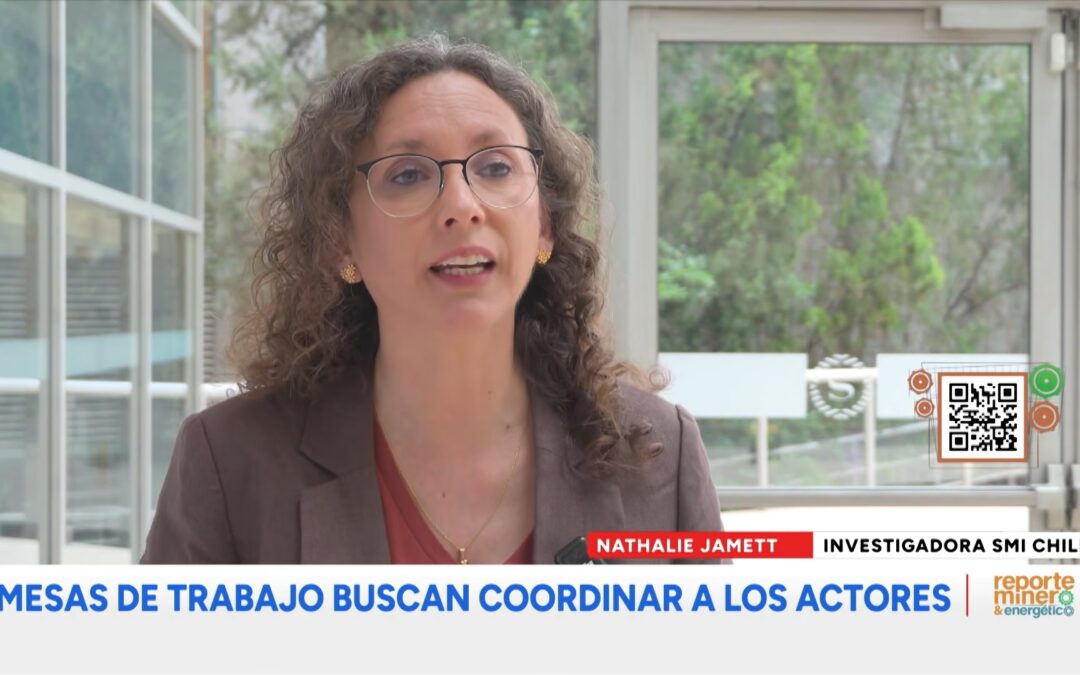
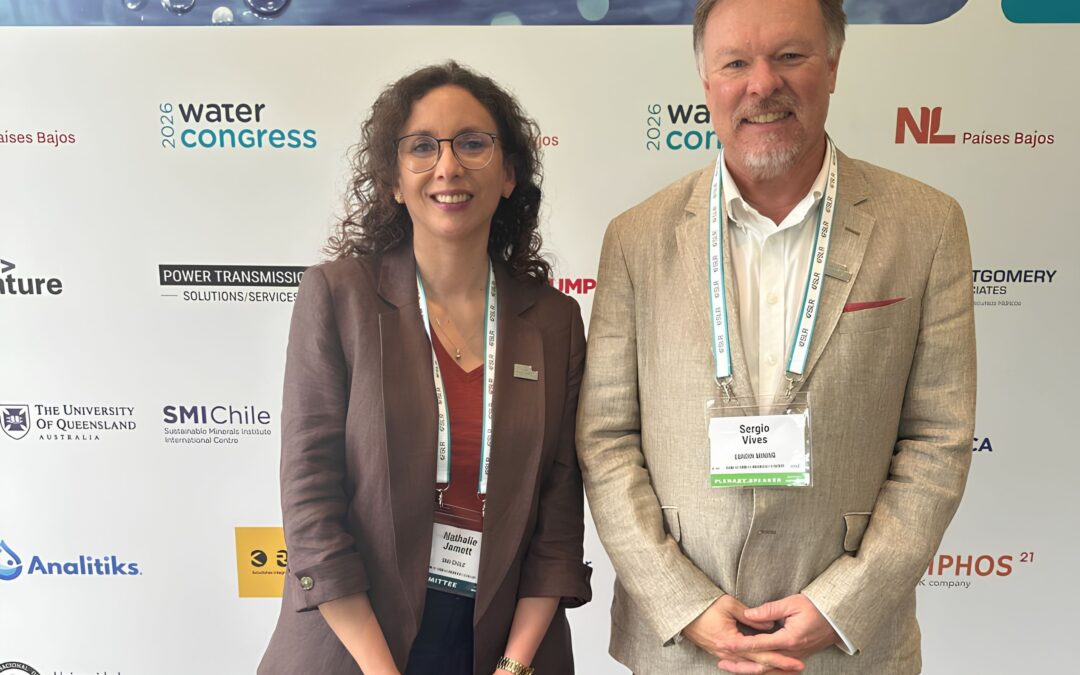
- Mary Valdés, Ítalo Onederra, Francisca Rivero, José Ojeda and Nathalie Jamett.
-

- From left to right: Dr Bo Zhang, Dr Ítalo Onederra and Dr Yumeng Zhang.