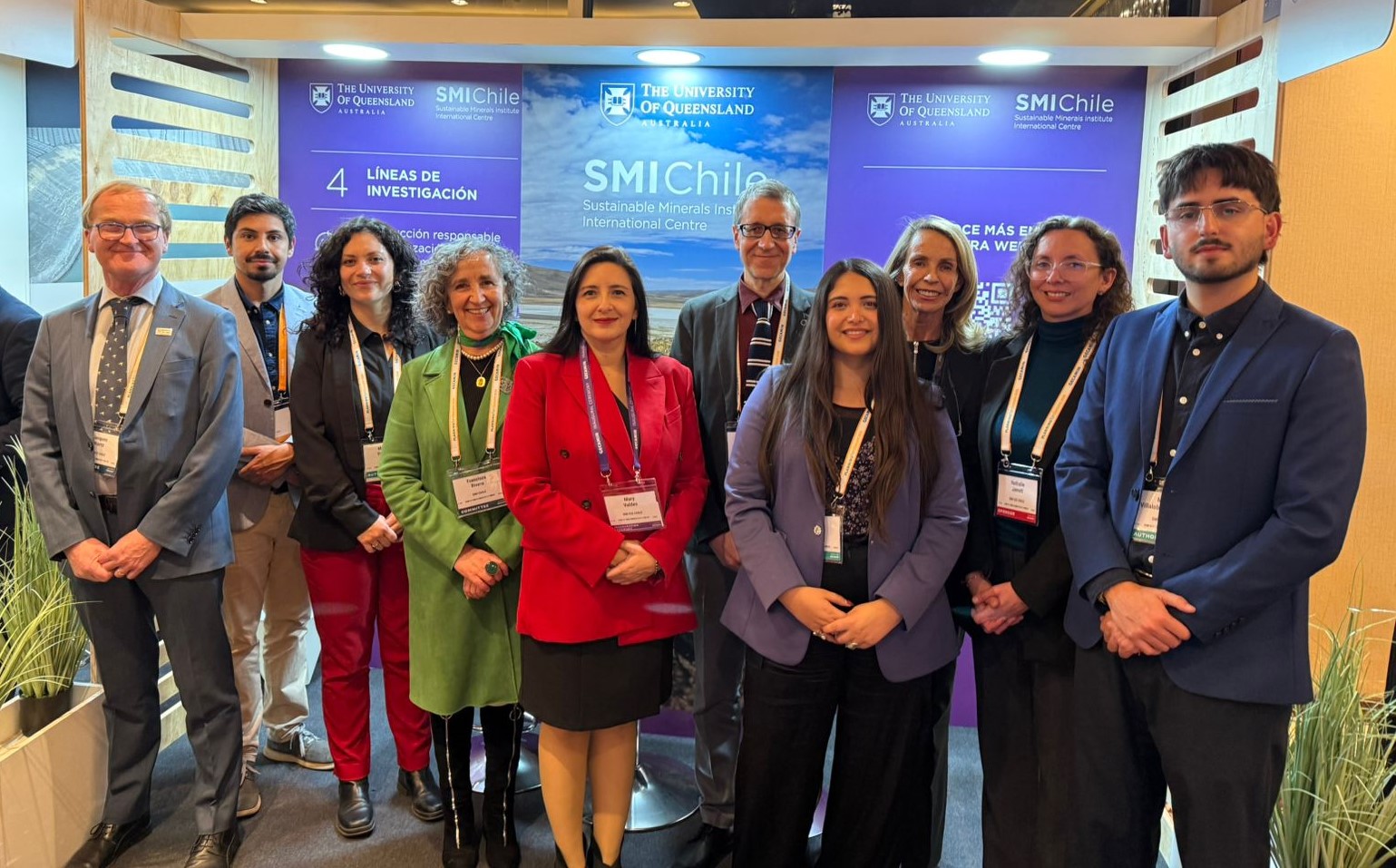
Through the presentation of research studies and participation as keynote speakers at the opening ceremony, SMI Chile played a prominent role in this latest edition of the region’s leading international mine closure conference.
Matías Villalobos, researcher in SMI Chile’s Social Performance and Resource Governance team, presented his paper “Tourism as a Strategy for Social Transition in Mine Closure: Challenges in a Northern Chilean Community”. The study examines, from the perspectives of local communities, authorities and industry representatives, the opportunities tourism can offer to foster local development in mine closure contexts.
Among its key findings, the research highlights the need to approach these processes through a participatory and long-term lens, incorporating indicators of social cohesion, collective action capacity, and the historical and symbolic dimensions of place.
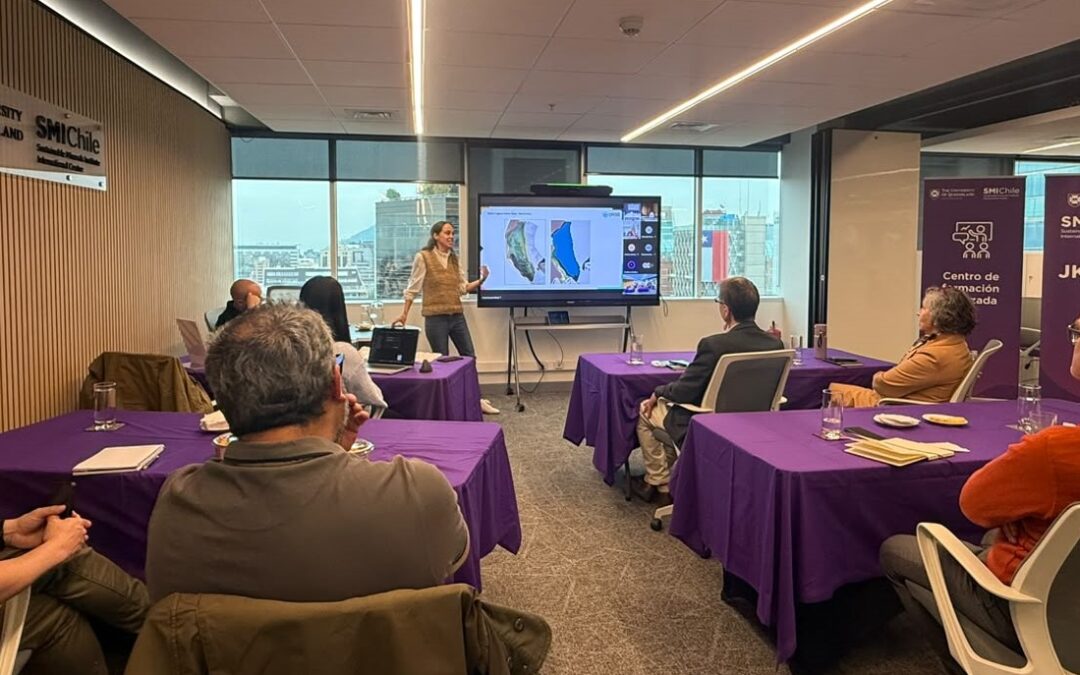
María Paz Valenzuela, researcher in the Environmental Rehabilitation and Ecosystem Dynamics area, presented the paper “Estimating Carbon Balance in a High-Andean Wetland”, co-authored with Jacques Wiertz, Felipe Labra, Edmundo Claro, Fernanda Caro, Nicolás Orellana, Pablo Bustos, Lohengrin Cavieres, Marco Salamanca and Macarena Troncoso.
The study aims to estimate the current and historical carbon sequestration capacity of the Lagunillas wetland, as well as the net loss of carbon capture and greenhouse gas emissions resulting from impacts recorded between 1998 and 2020. It also includes projections under different climate change scenarios and proposes a compensation approach for carbon losses within this ecosystem.
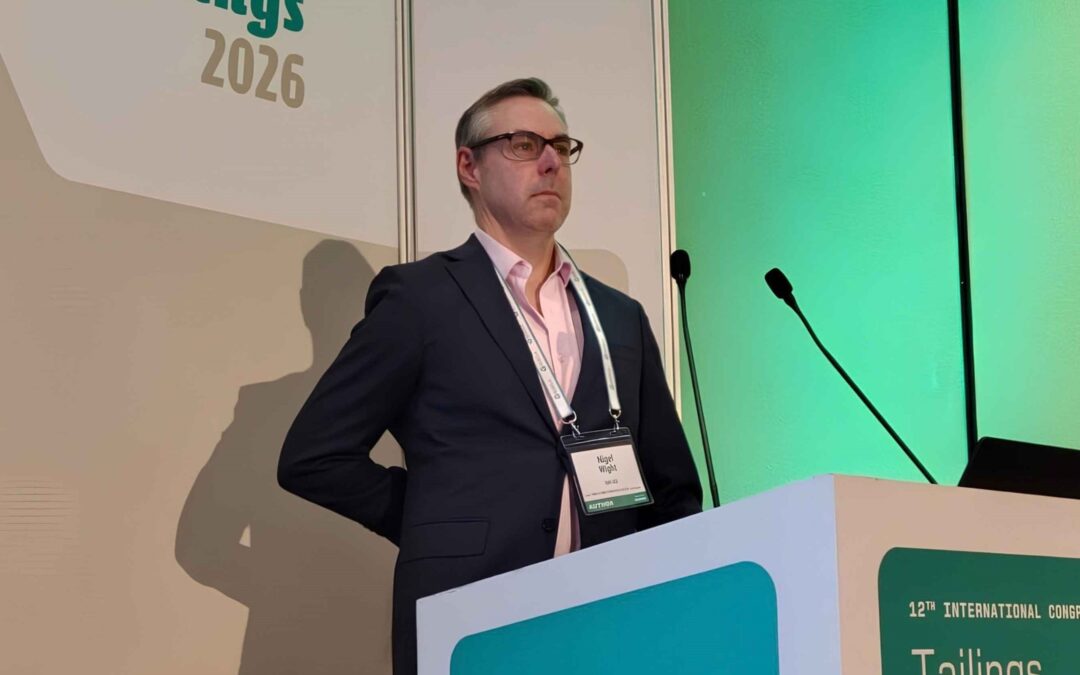
Camila Cabrera, researcher in the Social Performance and Resource Governance area, also participated with the paper “Understanding the Social Impact of Mine Closure: Three Challenges for Effective Social Impact Assessment”, co-authored with Dr Nigel Wight.
The study explores how social dimensions are incorporated into mine closure planning in Chile and concludes that addressing these aspects remains one of the sector’s most significant outstanding challenges.
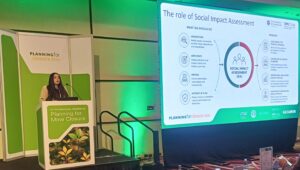
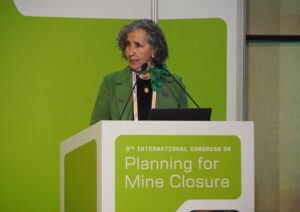
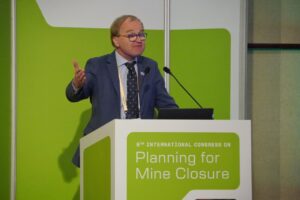
SMI Chile’s presence was also evident during the opening ceremony of Planning for Closure 2026, where Francisca Rivero, General Manager of SMI Chile, and Jacques Wiertz, Leader of the Environmental Rehabilitation and Ecosystem Dynamics area, delivered keynote addresses.
In their presentations, both speakers emphasised the importance of understanding mine closure as an opportunity to create a positive legacy for current and future generations.
“For many years, mine closure was understood primarily as a technical challenge focused on ensuring physical and chemical stability, environmental rehabilitation and risk management,” said Francisca Rivero.
“Today, however, we recognise that this process also involves economic and social transition, as well as the redefinition of territorial identities, creating new opportunities for communities that have lived alongside mining operations.”
Both Francisca Rivero and Jacques Wiertz stressed the importance of approaching mine closure as a holistic challenge—one that extends far beyond the end of a mining operation or the aspiration of returning landscapes to a pre-mining state. Rather, it is about building transitions that enable regions and communities to “continue thriving long after mining has ceased”, they emphasised.