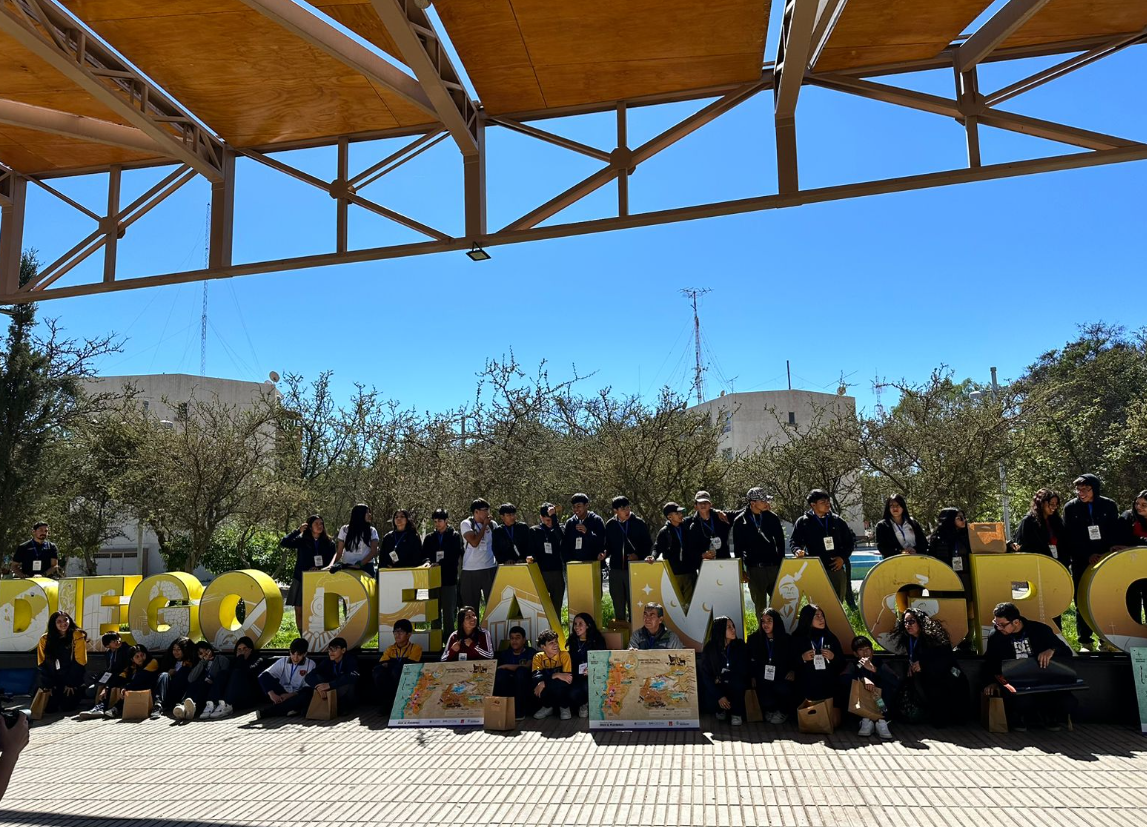
As part of a plan developed in collaboration with Codelco Salvador Division, the Plan de Puesta en Valor (Valuation Plan), the team from the Environmental Rehabilitation and Ecosystem Dynamics area travelled to Diego de Almagro in the Atacama Region to show students, teachers and parents of this northern town that learning about native peoples and the environment can be an exciting experience.
In late April 2024, a team of eight researchers from SMI-ICE-Chile developed a series of educational activities for school students in Diego de Almagro in the Atacama Region. This initiative, which included students from 13 to 18 years old, teachers and parents from the primary schools Emperatriz Sepúlveda Landeros and Aliro Lamas Castillo and the Diego de Almeida and Manuel Magalhaes Medling high schools, aimed to teach participants about the biodiversity in the Pedernales Salt Flat: the biocultural heritage of the Colla people, climate, geology, hydrology, flora and fauna.
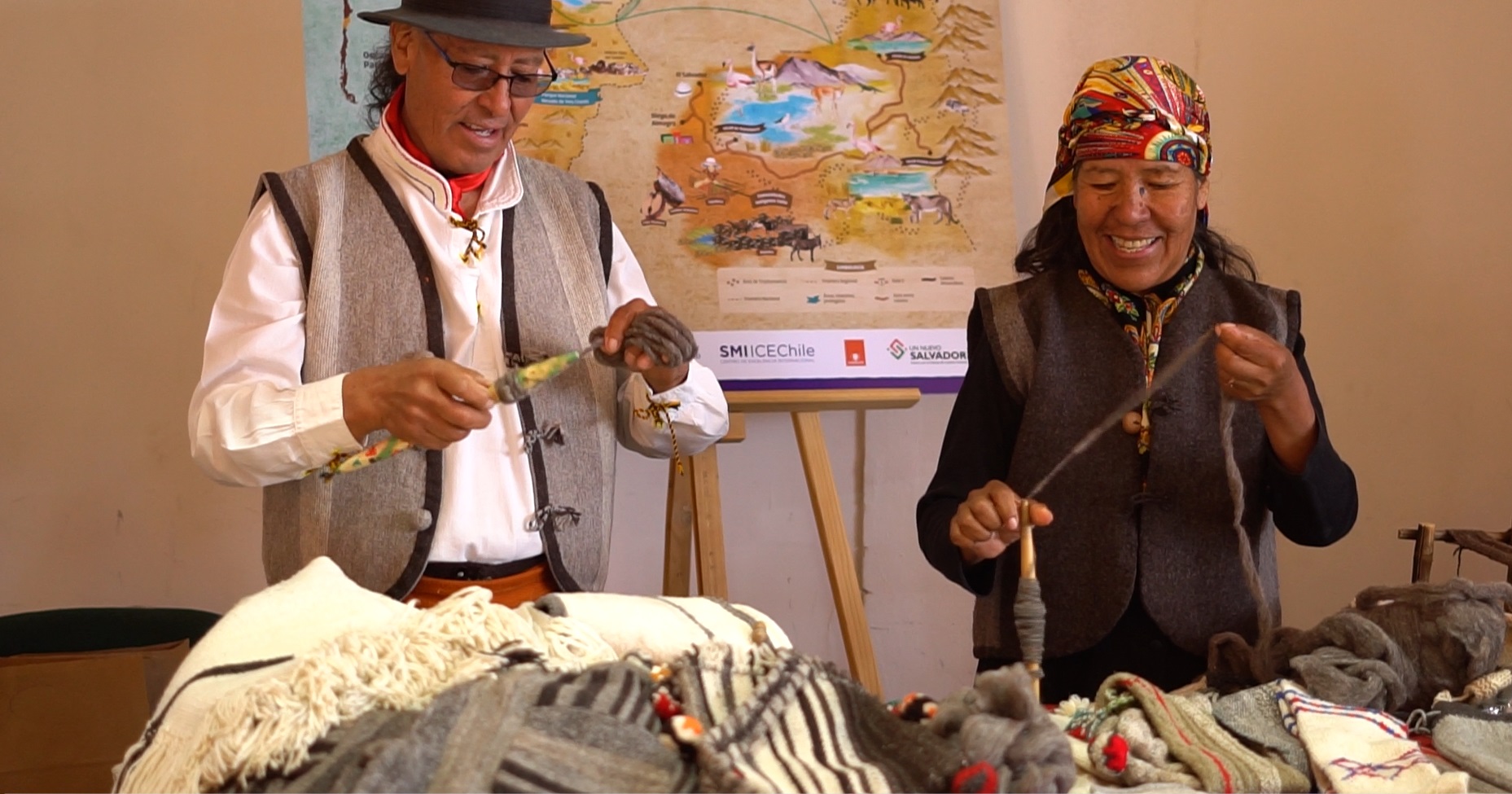
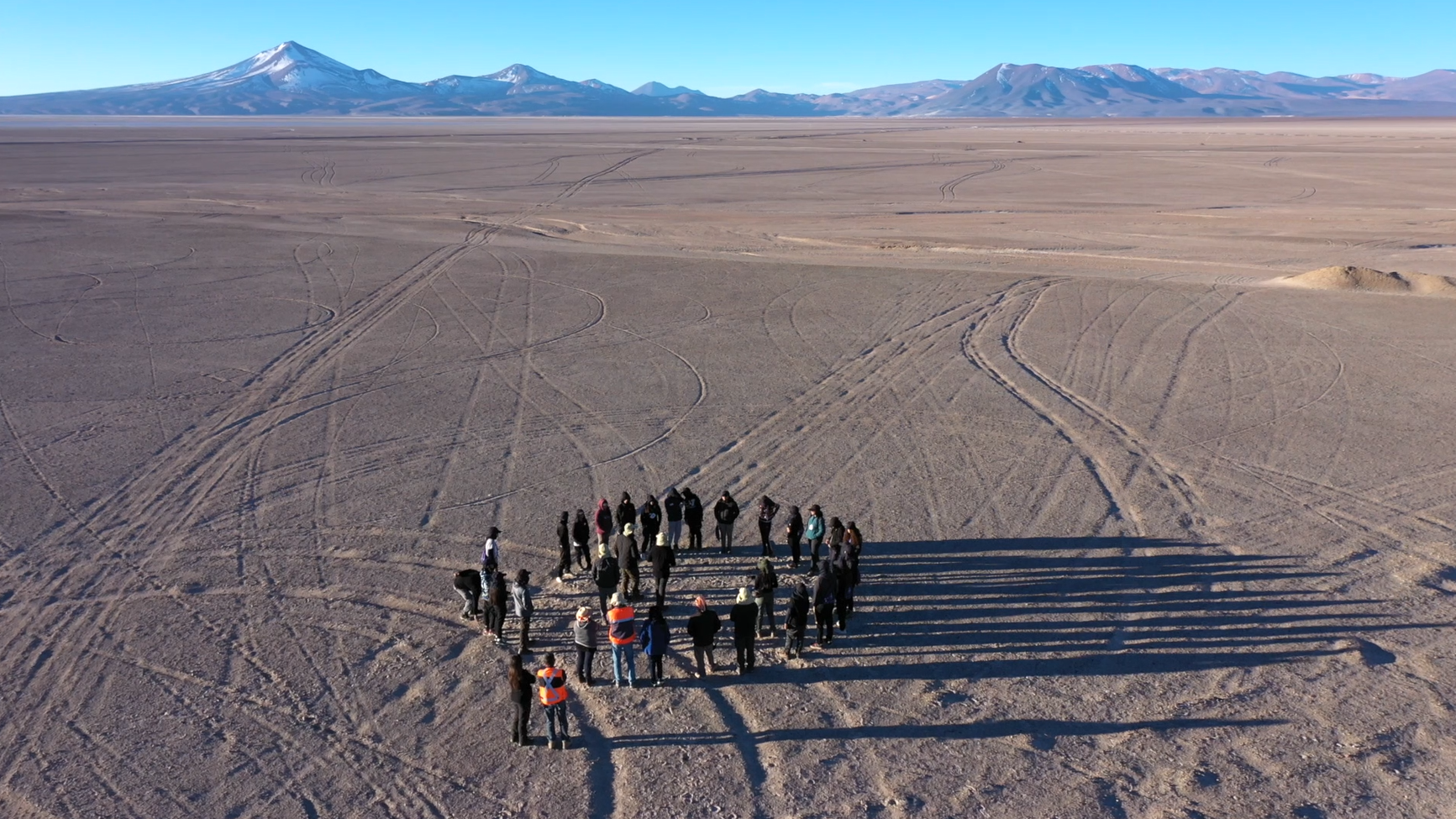
On the first day, an environmental fair and an extended meeting were held at the Pueblo Hundido Cultural Station. Next, they took a cultural and nature expedition to the Pedernales Salt Flat, where the students experienced in situ what they had learned in the classroom. During the trip, they visited iconic places and the foundations of the ancestral Colla culture, where representatives of these indigenous communities shared their wisdom and worldview.
“This educational experience taught them about the Colla people’s close bond with nature, water, mountains, flora and fauna,” explains SMI-ICE-Chile researcher Daniela Gamboa. “They also had the opportunity to directly observe the wonderful flora and fauna inhabiting this high Andean area, located at more than 3,500 meters above sea level, such as guanacos, foxes, vicuñas and different birds, among other species.”
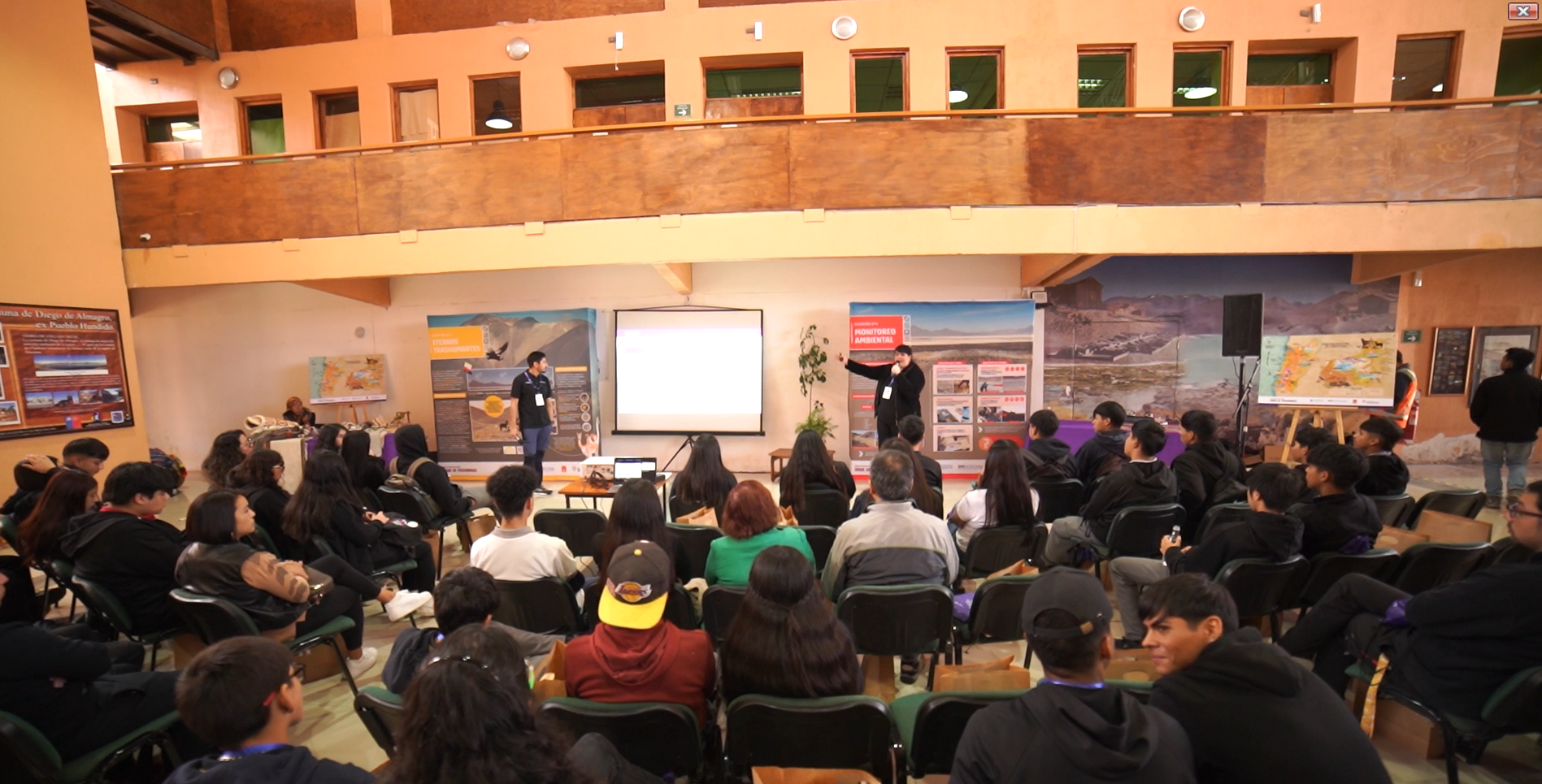
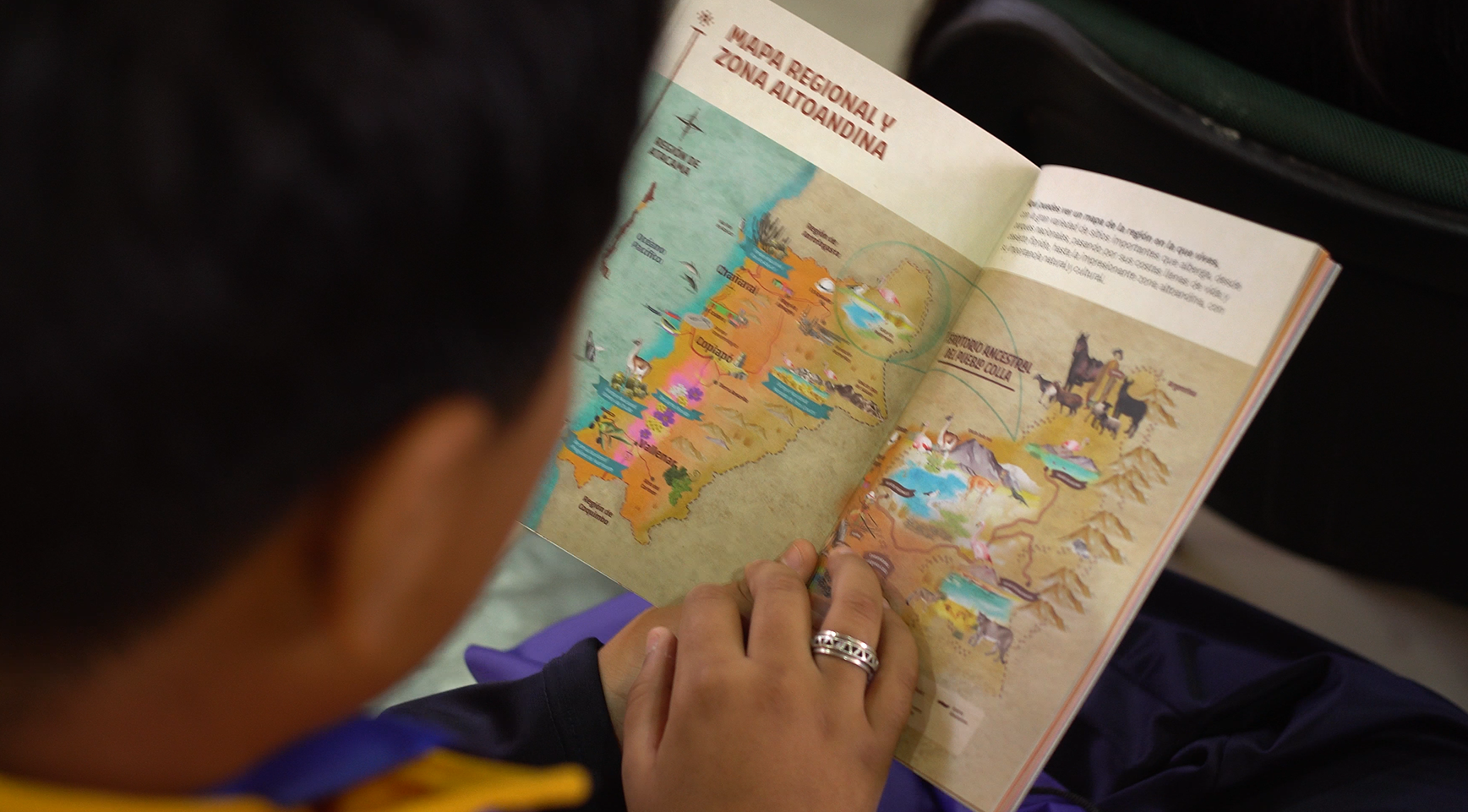
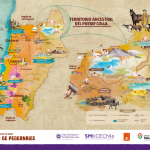
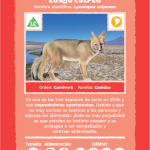
For this educational plan, the SMI-ICE-Chile team developed a series of teaching materials: maps, exhibition panels, magnetic sheets about types of habitats, a field log, stickers and a biodiversity game played with cards representing the local flora, fauna and landscape as well as the main characteristics of the Colla culture.
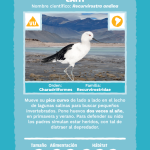
“It was an inspiring challenge for our team of scientists,” explains Felipe Saavedra, leader of the Environmental Rehabilitation and Ecosystem Dynamics team at SMI-ICE-Chile. “We set out to translate scientific knowledge into a simple, educational and culturally relevant language for the Colla indigenous communities, seeking to transform this knowledge into an attractive experience for all audiences.”
David Cortés, a student at the Aliro Lamas Castillo school, commented that it was the first time he had been to the Pedernales Salt Flat: “What I liked the most was the experience in the bofedal (ecosystem typical of the high Andean areas); “It was great to learn about its features, as well as the customs of the Colla people.”
“It has been a wonderful and unique experience,” adds Nélida Zapata, a teacher at the same school. “It was very enriching to learn about the flora, fauna and, above all, the Colla people, seeing how they live and their rich worldview.”
“We take care of what we know and appreciate,” says María Paz Valenzuela, another of the leaders of this project. “Through this initiative, we want to inspire young people to connect emotionally with their environment and learn to value it. We want new generations to commit to caring for and conserving this wonderful ecosystem and this initiative seeks to give them the tools and motivation to lead the change.”
This initiative is part of the “Plan de Puesta en Valor” designed to expand knowledge and appreciation of the high Andean wetlands in this Regional Priority Site and to positively impact the Pedernales Salt Flat and other nearby ecosystems. It arose from an agreement between CODELCO and the State Defence Council (CDE) reached by both parties in January 2021.
“This alliance with this prestigious global institution allows us to teach others, in a simple, educational, but at the same time profound way, about this wonderful biodiversity in our province of Chañaral,” explains Karen Aravena, Director of Environment and Territory for Codelco’s Salvador Division.
SMI-ICE-Chile is an International Centre of Excellence of the Sustainable Minerals Institute of the University of Queensland, which develops cutting-edge research to propose solutions for the productivity, environmental and social management of mining operations in Chile and the region.
More information about this project is hosted from Codelco here: “Salar de Pedernales Commitments” .